
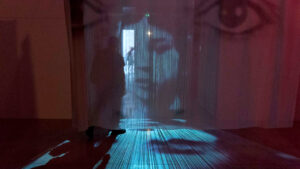
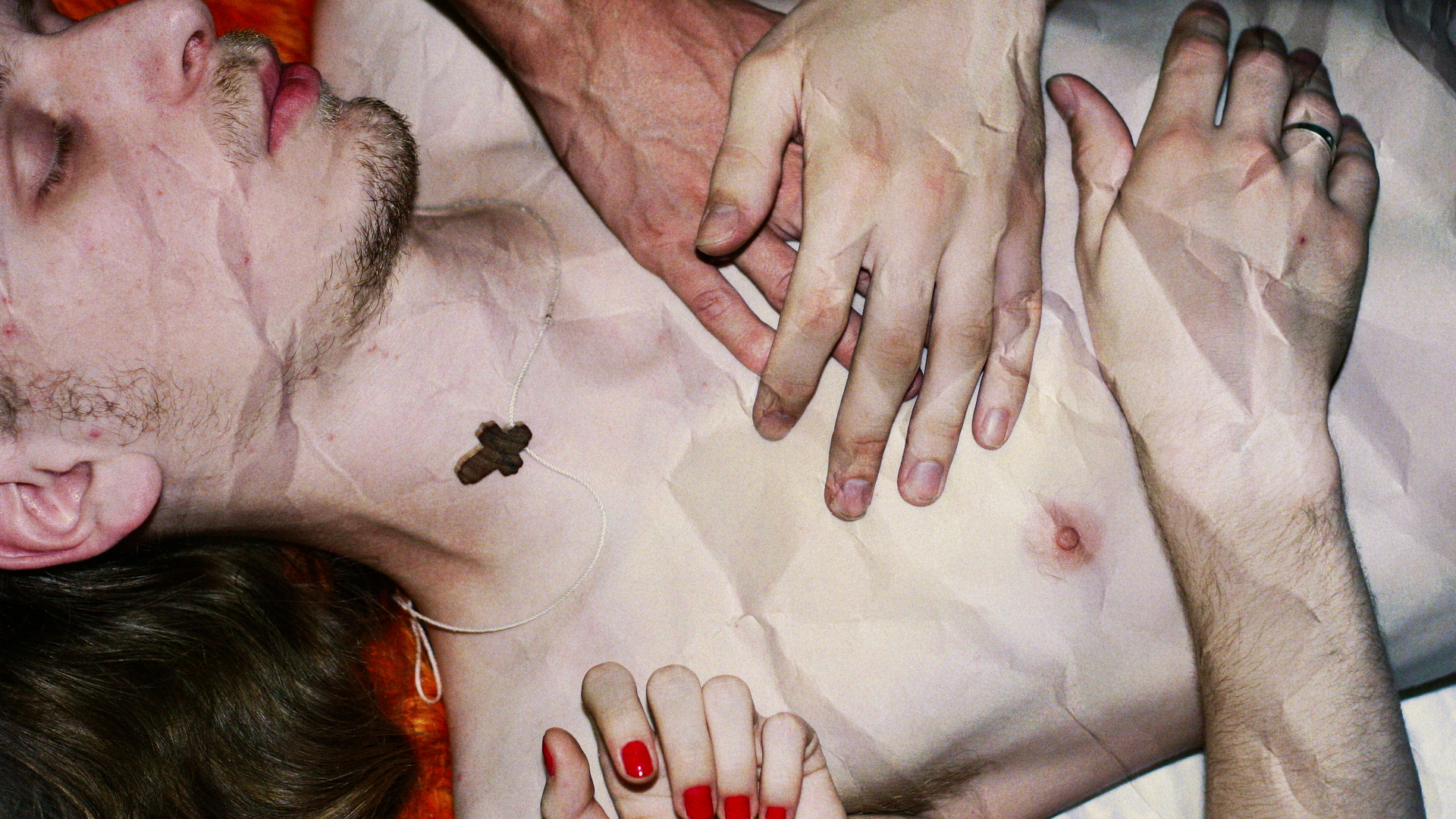
Crescere e diventare adulti nella Russia degli anni a cavallo tra i Dieci e i Venti di questo secolo. Il documentario How to save a dead friend di Marusya Syroechkovskaya (1989, Mosca) comincia nel 2016 da quella che potrebbe apparire la fine della storia (ma che di fatto non lo sarà): un funerale, una corsa angosciosa in macchina, un finestrino appannato dal freddo e dal dolore, mentre una giovane donna – che è anche regista del documentario – serra nella sua mano un pugno non di terra ma di neve, da gettare sulla bara dell’amico di sempre ed ex-marito: Kimi Morev.
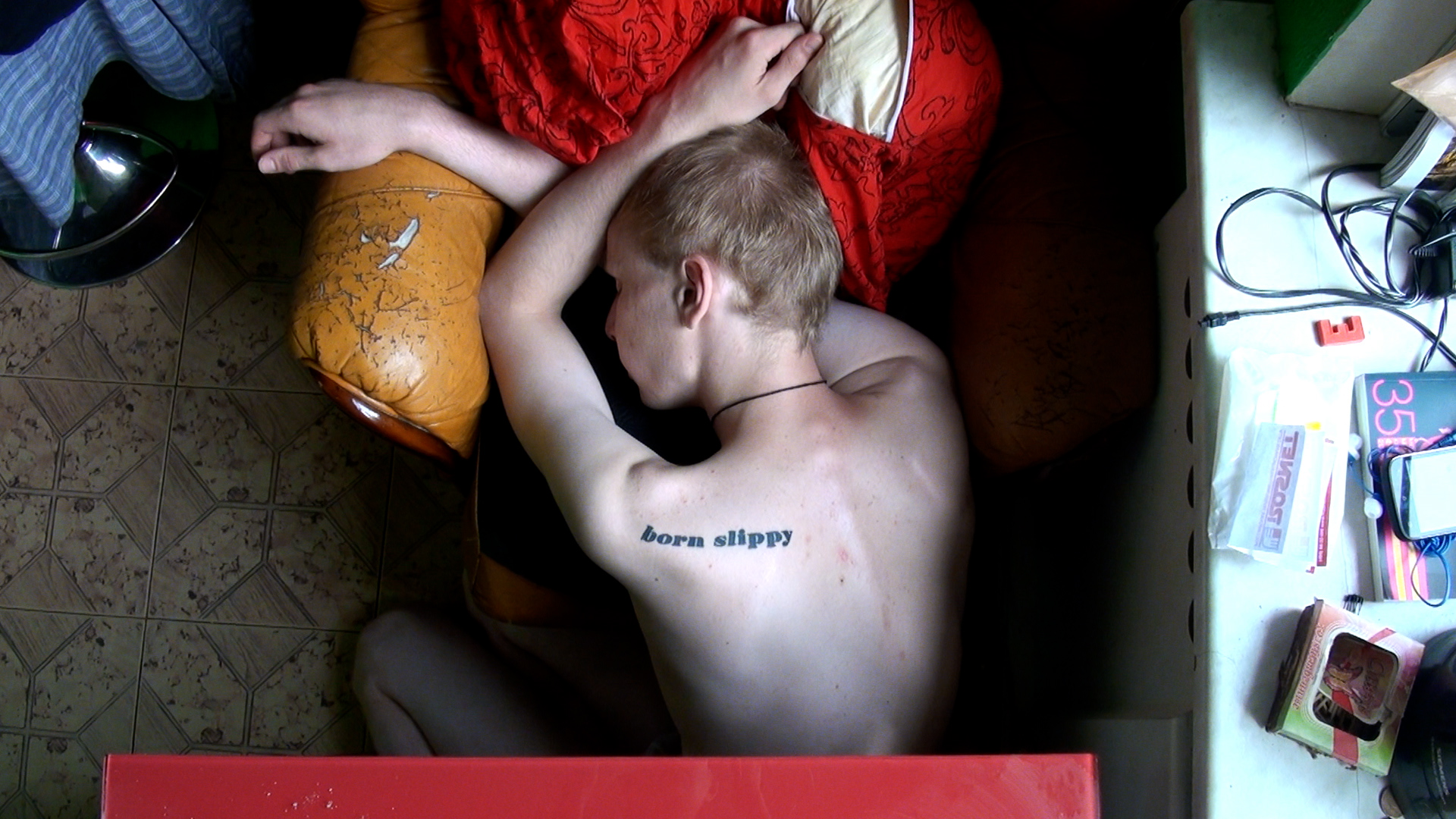
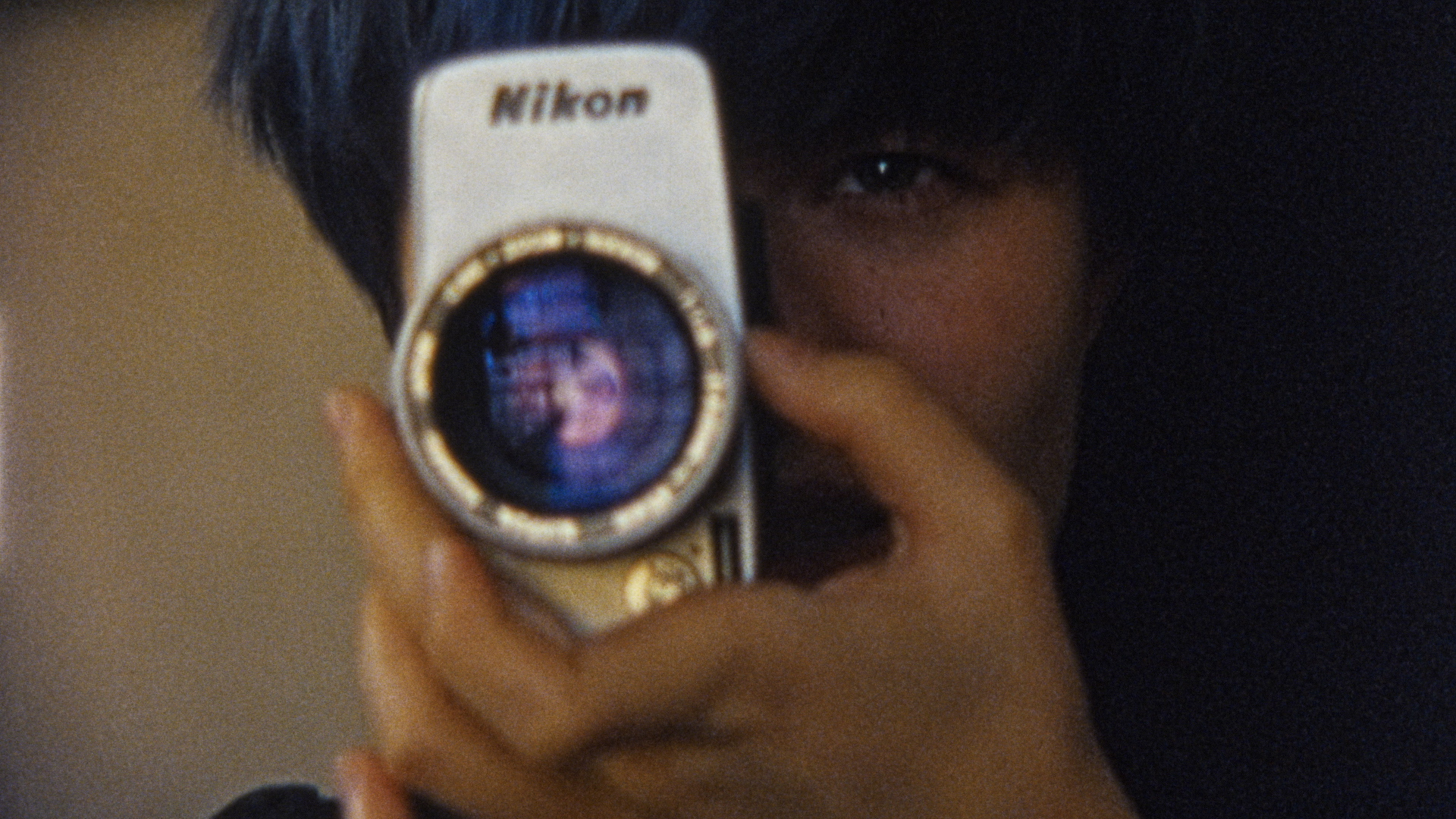
Sembra l’ultimo atto di una storia iniziata un decennio prima, quando Marusya – nata nell’anno del crollo del Muro di Berlino e poco prima di quello che, come in un domino, accade all’Unione Sovietica – crede che il suo sedicesimo anno di vita sarà anche il suo ultimo su questa terra. Mangia a stento, dorme quattordici ore al giorno, usa oggetti contundenti per farsi del male e già conosce cosa sia prendere psicofarmaci.
Ha amici che si sono suicidati e lei stessa si sveglia ogni giorno cercando di evitare la stessa fine. La sua famiglia è abbiente ma in casa si comunica poco, viene a sapere del divorzio dei genitori solo dalla nonna. Così vive sotto una coperta di profonda e spessa angoscia, un orizzonte che sarebbe senza spiragli se qualche anno prima non le avessero regalato una telecamera.
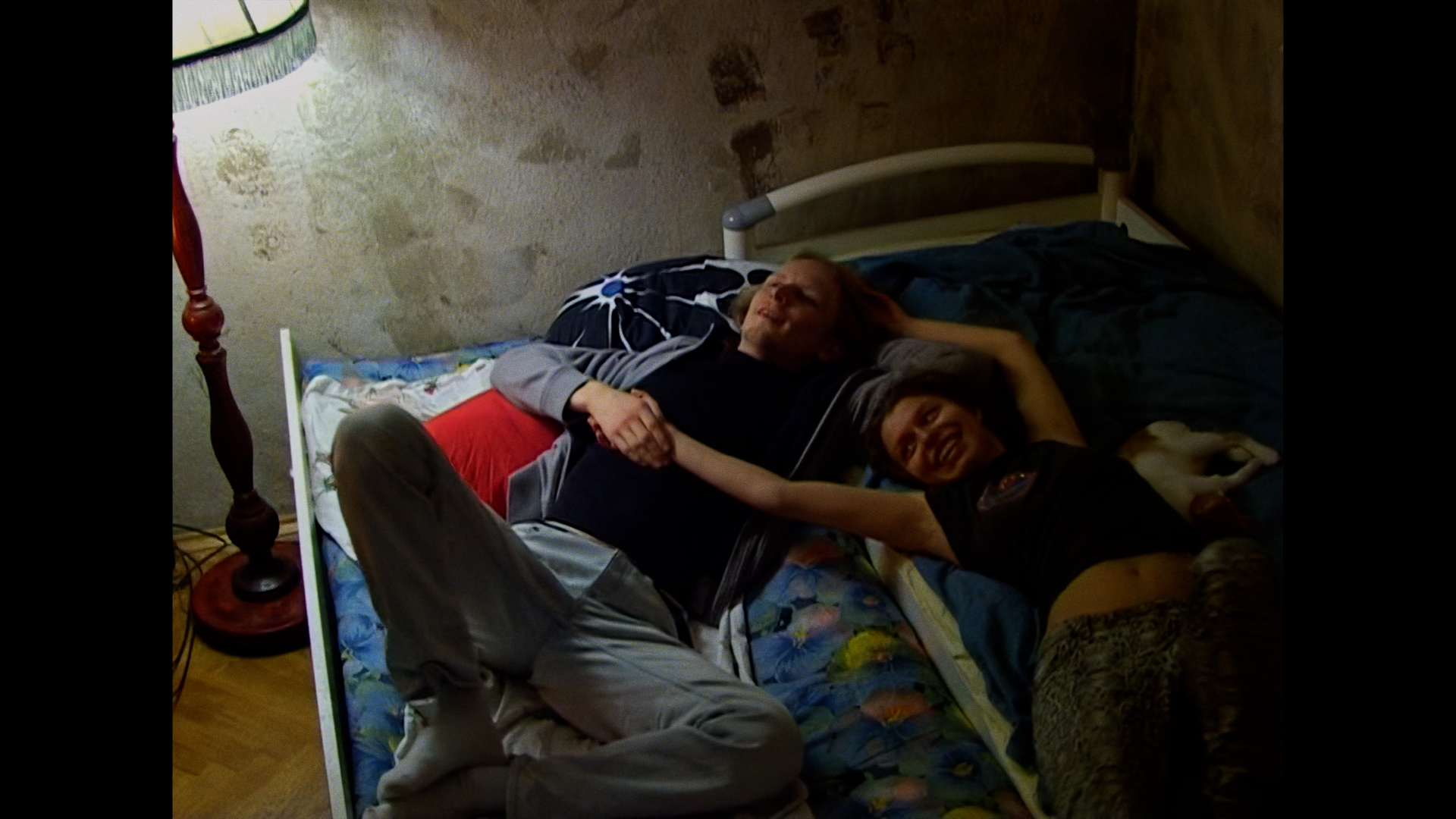
Sarà con quella che – abitata da uno stile disperato e creativo, intimo e punk alla maniera del secondo millennio – farà memoria del suo incontro fatale con Kimi, del nascere del loro amore, insperato e rivitalizzante per entrambi, del progressivo ammalarsi di lui, della sua ricaduta nella tossicodipendenza, nel mentire e nella morsa annichilente delle cure psichiatriche, farà memoria del loro inevitabile lasciarsi ma anche della loro inseparabile e struggente amicizia nel finale precoce della vita di lui.
“Sapevo che era la persona giusta per me: entrambi avevamo ferite da taglio, venivamo da famiglie rotte e conoscevamo a memoria tutti i pezzi dei Joy Division”, dirà in voce fuoricampo.
Lei viene dal centro di Mosca, lui da Butovo, uno dei quartieri simbolo di cosa sia depressione, brutale realtà dietro l’immagine della “Healthy Russia” diffusa dalla propaganda.
La prima volta che si baciano, a lui esce sangue dal naso, quando lei piange, lui la conforta (“Non credevo ci fosse qualcuno che sta peggio di me”), eppure, come in una strana fiaba fatta di fermo-immagini autoironici e rinfrancanti, delle loro foto da piccoli, di split screen nel loro lettone, del riprendersi reciproco, di zoomate e aggiustamenti della messa a fuoco della telecamera, conoscono qualcosa che sembra vicino alla felicità.
A lui piace la Storia la scrittura, la poesia, ama gli animali e soprattutto i loro gatti, che fanno da costante contrappunto alle immagini. E poi consuma quantità industriali di zucchero che, come le confesserà un giorno, sono uno strascico del tempo in cui i genitori, senza più lavoro, lasciavano lui e a sorella soli in casa senza cibo eccetto zucchero e tè.
A tutto questo si interseca in modo indissolubile il flusso delle immagini di repertorio: proteste in strada, poliziotti coi colbacchi e manifestanti portati via, l’immagine gigante di Anna Politkovskaya issata in corteo per chiedere la liberazione di prigionieri politici, i discorsi di capodanno di Medvedev poi di Putin (nel 2013 invita a “essere amorevoli con quelli che amiamo”), la vittoria calcistica agli europei del 2008, che dà un’euforia e un senso di appartenenza di breve durata, e Marusya che taglia i capelli a Kimi e lui che le mostra il suo corpo martoriato e pieno di buchi, lui che da piccolo voleva diventare presidente e che si chiede come mai per la Costituzione del ’93 non sia stato chiesto il consenso popolare… Kimi che ha fede e che la vive con atroce travaglio, Kimi che la chiama per chiederle se lo riprende mentre si getta da un ponte…
“Love will tear us apart again”. L’amore ci farà a pezzi di nuovo, predice il pezzo dei Joy Division che li unisce, che li strazia e che li fa vivere, uniti anche dopo la morte di lui. “Un universo parallelo … dove sono ancora sposati”, o forse no, ma sempre amici, e dove la loro voce di ragazzi ingabbiati in uno dei più potenti regimi del mondo riesce a bucare il frastuono stritolante della Storia e del nostro tempo…
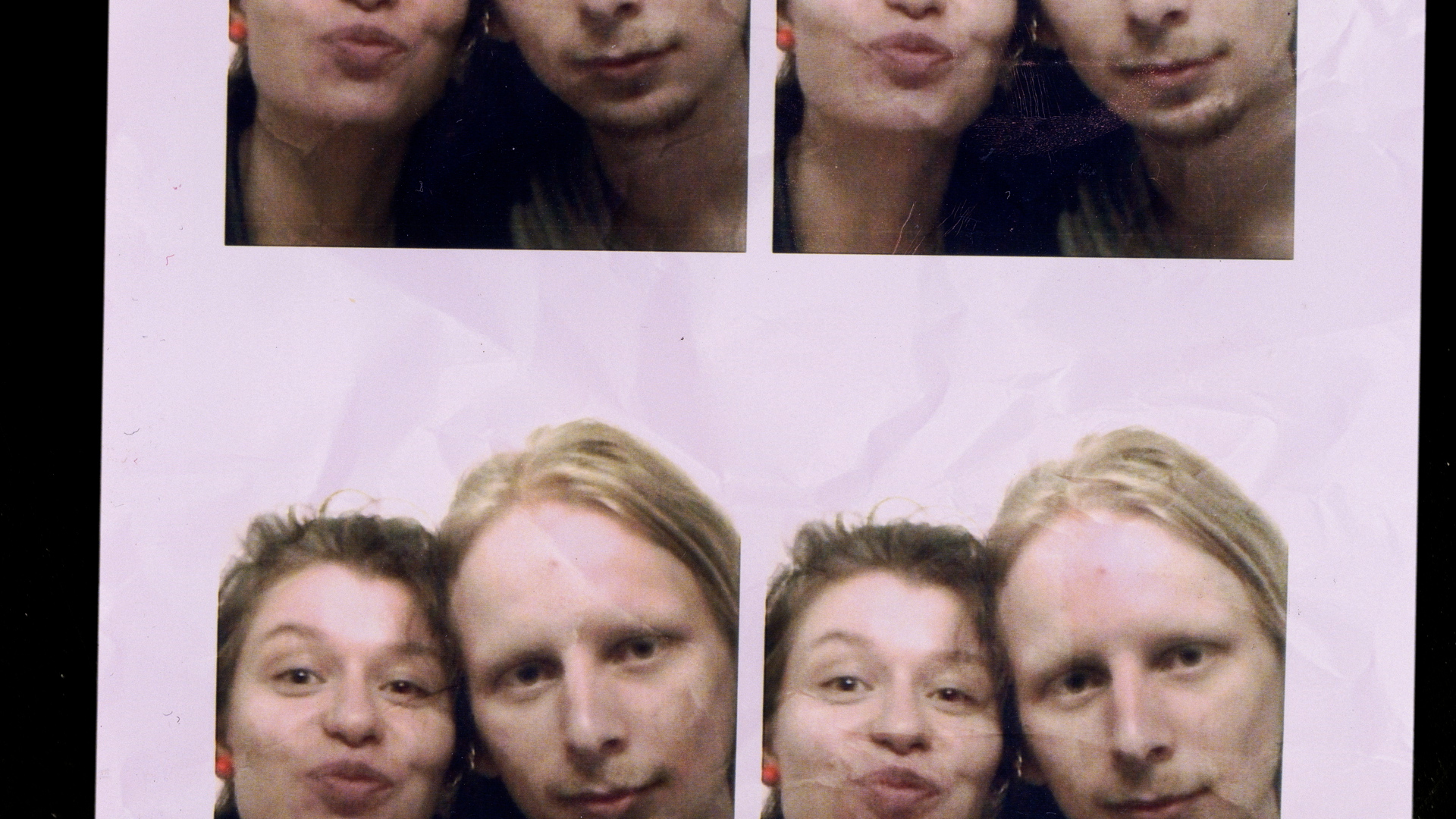
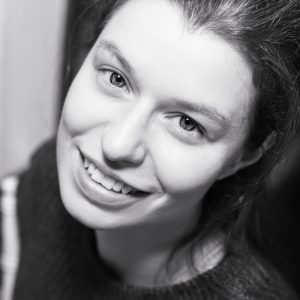
Ecco il resoconto del mio incontro con Marusya Syroechkovskaya, avvenuto lo scorso novembre a Firenze al Festival dei Popoli, in occasione della presentazione del film in Italia.
Comincerei dal titolo del documentario, che è decisamente particolare e ricco di diverse possibili interpretazioni. Tu che significati gli attribuisci?
“Quello che mi piace del titolo è che c’è una contraddizione. Come puoi salvare qualcuno che è già morto? Da parte mia, però, vado oltre questo nodo perché ho concepito il film con il desiderio di salvare la memoria di una persona cara che se n’è andata.”
Pensavo che potrebbe anche essere riferito a te, a quando credevi che saresti morta a sedici anni, o potrebbe anche riguardare Kimi, perché volevi salvarlo attraverso il cinema, riprendendolo costantemente con la telecamera, come se quest’ultima fosse un antidoto alla morte. È un caleidoscopio questo titolo, davvero pieno di suggestioni.
“Sì, hai ragione, concordo con questa tua visione, apprezzo che il titolo tu lo riferisca anche al mio personaggio e mi piace il fatto che ci siano molte interpretazioni.”
Quando il direttore del festival dei Popoli, Alessandro Stellino, ti ha chiesto del tuo rapporto col cinema, hai detto che all’inizio, per un periodo della tua vita, il cinema era quasi il tuo solo modo di comunicare, di chiedere aiuto… Ma, per cominciare, vorrei sapere se quando eri adolescente avevi registi preferiti e quando hai avuto la tua prima telecamera…
“La prima telecamera l’ho avuta intorno al 2000. Questo film è un documentario su Kimi e me, sulla nostra crescita insieme e al tempo stesso sulla musica e sul cinema, che ci hanno influenzato. Per quanto riguarda i registi che ho più amato, penso a Harmony Korine, Greg Haraki e al fotografo David La Chapelle.”
Qualche regista donna?
“Julia Ducournau che ha girato Titane. C’è poi anche un altro suo film, Raw, Una cruda verità (titolo italiano, ndr), in cui si parla di una ragazza proveniente da una famiglia vegetariana, che frequenta una scuola per diventare veterinaria e che poi invece si avvicina al mangiare carne: è un film capace di attraversare i confini, le aspettative più convenzionali…”
Hai detto che hai iniziato a riguardare tutti i materiali nel 2018, due anni dopo la morte di Kimi, ma mi preme sapere se è qualcosa che hai fatto da sola o se c’era qualcuno che ti ha supportato.
“È stato veramente difficile confrontarsi con i materiali che avevo raccolto negli anni testimoniando la vita di Kimi (e al tempo stesso la mia). Erano e sono tutt’ora tracce tangibili di qualcuno che di fatto non c’è più. Per questo in un primo tempo l’ho fatto da sola. Non poteva che essere così. Solo successivamente ho cominciato a pensare che tutto quel girato poteva diventare un film vero e proprio e ho iniziato a riguardare i materiali con il mio montatore e a discuterne.”
Ora vorrei parlare di una parte veramente fondamentale del documentario, che è un lavoro intimamente politico e non soltanto per i materiali di repertorio, che mostrano manifestazioni di dissenso al governo; né solo per i discorsi dei Premier… Credo che il film sia politico in ogni parte e da ogni punto di vista perché tu parli di educazione, di famiglia, di genitori, di suicidio nell’adolescenza, di morte, di psichiatria nel tuo Paese e non solo: eri consapevole che il tuo film fosse così profondamente politico?
“Be’… sappiamo che il privato è politico, e lo stesso vale per la nostra storia individuale: ci sono così tante cose che influenzano la nostra vita, direttamente o indirettamente, è la nostra vita stessa che è politica, politico è quello che accade in un determinato momento. Dunque sì, è stata una decisione molto precisa: voler dare una prospettiva dettagliata e multiforme di come fosse vivere in quegli anni in quel Paese, essendo giovani.”
Quando è stata esattamente la prima proiezione del film?
“È avvenuta nell’aprile 2022, a Nyon in Svizzera, al festival Visions du Réel.”
Ho chiesto la data precisa perché era importante per me sapere se fosse prima o dopo lo scoppio della guerra. Sappiamo che il cammino del film è probabilmente cambiato fortemente dopo questo evento e dopo che l’attenzione mondiale si è focalizzata su di esso. E vorrei capire che tipo di reazioni hai incontrato presentando il film in giro per il mondo, se pregiudizi, rifiuto, o reale desiderio di capire i sentimenti delle persone in Russia prima di tutto questo e adesso.
“È stato abbastanza impressionante, perché quando è scoppiata la guerra era difficile prevedere quale sarebbe stata la reazione delle persone rispetto a questa storia ambientata interamente in Russia. Ma poi tutte le proiezioni sono andate molto bene e ci sono stati dibattiti costruttivi, tanto che alcune persone sono venute da me a dirmi che avevano vissuto qualcosa di simile e che lo avevano compreso più a fondo attraverso il film. Questo per me significa tanto perché quando stavo crescendo, mi percepivo sola con i miei problemi e spero che il film possa dare sollievo a chi si trova nella stessa condizione. Comunque tutte le reazioni che ho percepito sono state legate al contenuto del film in modo universale, al di là delle sua provenienza.”
Ci sono state proiezioni in Russia?
“No, non ci sono state, ma vorrei molto ci fossero. Anche se non so se sarà possibile a causa della censura. Non abbiamo ancora certezze al riguardo.”
E nella tua percezione, la tua generazione, della tua età o più giovani, i tuoi amici come percepiscono la guerra e cosa ne pensano?
“Ovviamente non posso parlare per tutta la mia generazione ma quello che posso dire è che persone a me vicine e le persone della mia cerchia non sono mai state a favore. Personalmente non conosco nessuna persona che sostenga questa guerra, ma, ripeto, questa è la mia cerchia e di sicuro in Russia ci sono persone che la pensano diversamente.”
Il tuo film esprime una grande fiducia nel potere del cinema e delle immagini, nel riuscire a conservare la memoria di qualcuno che è mancato. Dal pubblico qualcuno ha parlato di “seconda” o “quarta vita”.
Nello stesso tempo nel tuo documentario c’è una grande attenzione verso il corpo. Il corpo di Kimi – contemplato e omaggiato, potremmo dire, sotto vari aspetti e minuti dettagli fino ad assumere una valenza quasi sacrale – ma anche il tuo corpo, il tuo esserci fisicamente nell’inquadratura, totalmente parte dell’immagine, in una accezione diegetica.
Ovviamente ogni generazione si rapporta in modo differente rispetto ai dispositivi elettronici, che siano telefoni, computer, telecamere digitali o quant’altro. Ma vorrei sapere se nel tuo caso la fiducia in questi strumenti arriva al punto da pensare che l’immagine elettronica possa sostituire il contatto fisico tra i corpi.
Oppure se avverti che c’è un limite che non può essere valicato, e che questo è relativo alla presenza in carne e ossa. Pensiamo per esempio agli abbracci che sono stati interdetti durante il periodo pandemico o anche soltanto a quanto le relazioni tra le persone si siano svuotate di presenza e di fisicità in questo ultimo decennio.
“Naturalmente non credo che un’immagine possa mai diventare un sostituto di una persona reale. Le persone muoiono e questo è incontrovertibile, ma c’è qualcosa di loro, una memoria che possiamo trattenere e custodire. Nel film io utilizzo quella che chiamo sonificazione, ossia un processo che trasforma i video di Kimi in musica.
Inoltre ho trovato poetico toccare lo schermo dell’i-pad come se sfiorassi il suo corpo attraverso quella superficie elettronica e come se provassi a cullare la bellezza che si sprigiona da questo contatto. Tutto questo riguarda quello che il cinema è. La sua essenza.
Un film è toccare qualcuno o qualcosa attraverso la distanza che ci separa. Lo schermo non ha la fisicità del sangue, ma in qualche modo racchiude il dolore concreto che scaturisce dal non poterci toccare. Ci sono poeti che immaginano cosa ci accade dopo la morte. Forse torniamo sotto forma di musica o sotto qualunque altra forma immateriale? “
Nel film alludi alla Federazione Russa come alla Federazione della Depressione e più volte citi l’immaginario creato tramite “Healthy Russia”. Allora il tono (che altrove è umoristico, come quando racconti la tua storia con Kimi in forma di fiaba), diventa sarcastico.
Un sentimento dietro il quale molto spesso si nascondono sofferenza e rabbia ma anche, come succede nel tuo film, una visione politica fortemente critica nei confronti delle istituzioni e del governo.
In questo senso trovo particolarmente incisiva la scena in cui Kimi va all’ufficio welfare a chiedere un risarcimento per tutta l’oscurità che ha dovuto ingoiare durante la sua vita e per tutto il dolore e le inadeguatezze della società, che hanno minato così duramente la sua salute mentale e fisica. Da parte tua c’è anche un preciso attacco nei confronti di un certo agire da parte della psichiatria…
“Apprezzo molto questa domanda. Certo, parlare della Federazione Russa come Federazione della Depressione significa esprimersi attraverso il sarcasmo, un tono dovuto al fatto che tante sono le cose che lì non funzionano. Le persone sono molto isolate e chi è tossicodipendente è stigmatizzato.
È diffusa la concezione che se ti droghi non importa se non rimani vivo perché sei un criminale. Tra l’altro, sono poche le organizzazioni che operano sulla riduzione del danno. Un discorso che riguarda anche la salute psichica e il disagio che questo tipo di società ci procura.
Dunque, se guardi a tutto questo, se guardi alla legge, non vedi futuro non vedi felicità e sei consapevole di non abitare nel miglior posto del mondo. Una percezione che si radica intimamente nel tuo modo di pensare e di vivere.”
Nelle sequenze in cui ti trovi negli Stati uniti dopo il divorzio da Kimi racconti la nostalgia che hai provato per un posto pur estremo e difficile come Butovo. Del tuo desiderio di tornare lì.
C’è qualcosa del tuo Paese che ti dà energia e bellezza, qualcosa che placa la rabbia e ti fa sentire tenerezza per i tuoi luoghi? In questo senso trovo magnifico Karenina & I, il documentario di Tommaso Mottola, che accompagna il viaggio in treno di un attrice lungo la Transiberiana per andare a interpretare Anna di Tolstoj in russo a Vladivostok.
Parlando di letteratura c’è un libro a cui sei particolarmente legata?
“Mi chiedi anche se ci sono momenti di speranza? (ride, ndr). Sì, certo. Sono così tante le persone oneste in Russia, le persone che si danno da fare perché nel Paese si concretizzi un futuro di pace e di rispetto. Io ho speranza per il futuro, ogni dittatore alla fine muore.
Non conosco quel film su Anna Karenina, ma amerei vederlo. Quanto al libro, mi è particolarmente caro Moscow- Petushki di Venedikt Yerofeyev, un’opera degli anni Settanta, un mélange fortemente ironico e particolarissimo di prosa e poesia: anche questo è il racconto di un viaggio in treno che il protagonista compie per andare a trovare l’amata che si trova appunto a Petushki, un luogo insolito e utopico: un viaggio durante il quale, con i suoi monologhi, coglie in un modo tutto suo la storia del Paese e ne abbraccia l’immane profondità della cultura.”
Interview with Marusya Syroechkovskaya by Maria Grosso
Growing up and becoming adults in Russia during the Tens to the Twenties years of this century. How to save a dead friend by Marusya Syroechkovskaya starts in 2016 from a point that could be considered the end of the story (but actually it won’t be): a funeral, an agonizing ride in the car, a window fogged up from cold and suffering, while a young woman – who is also the director of the documentary – holds in her hand a handful not of earth but of snow, to be thrown on the coffin of her lifelong friend and ex-husband: Kimi Morev.
It seems the last act of a story started a decade before, when Marusya – born in the year of the Collapse of the Berlin Wall and very close to that, which like in a domino, happens to URSS – believes that her sixteenth year of life will be the last on this earth.
So she barely eats, sleeps fourteen hours a day, uses blunt objects to hurt herself and is already familiar with psychotropic drugs. Many of her friends have committed suicide and she gets up every day trying to avoid ending her life like them. Her family is quite well off financially but not very ‘communicative’ and she only knows about her parents’ divorce through her grandmother. That is why she lives under a blanket of deep and thick despair, a horizon that might have been empty had she not received a camera a few years earlier.
With it – inhabited by a desperate and creative style, intimate and punk, in the manner of the second millennium – she will preserve the memory of her fatal meeting with Kimi, of the birth of their love – unexpected and revitalizing for both of them – of his progressive illness, of his relapse into drug addiction, in telling lies and in the annihilating clamp of psychiatric cares, of their unavoidable necessity of leaving each other, of their inseparable and poignant friendship and of the premature end of Kimi’s life.
“I knew he was the right person for me: we both had stab wounds, we both had broken families and we both knew by heart all Joy Division’s lyrics”, she will say in voice over.
She comes from the center of Moscow, he comes from Butovo, one of the symbolic districts of ‘depression’, brutal reality behind the image of “Healthy Russia” spread by propaganda. The first time they kiss, he starts bleeding from the nose, when she cries, he comforts her (“I couldn’t believe that there was someone worse off than me”), yet , like in a strange fairy tale made of self-deprecating and refreshing freeze-frames, of their photos as children, of split screen in their double bed, of their reciprocal shooting, of zoom in and of adjustments of the camera’s focus, they come in touch with something very close to happiness.
Kimi loves history, writing and poetry, he also loves animals especially their cats which are a constant counterpoint to images. He also consumes huge quantities of sugar, which – as he will confess her one day – are a reminder of the time in which his parents, remained jobless, left him and his sister alone at home, without nothing to eat but tea and sugar.
To all these materials related to their personal history, the documentary intersects inextricably the flow of archive images: the street protests, policemen with batons and demonstrators taken away, the huge image of Anna Politkovskaya hoisted in procession to demand the release of the political prisoners, new year’s speeches first by Medvedev then by a ‘young’ Putin (in 2013 he invites “to be loving with those we love”), the football victory at the 2008 European Championship that gives a short-lived euphoria and sense of belonging… And Marusya cutting Kimi’s hair and Kimi showing off his battered body full of holes: him, who as a child wanted to become president and wondered why the Constitution of ’93 was not asked for popular consent. Kimi calling her to ask if she can film him jumping off a bridge…
“Love will tear us apart again”. Love will tear us apart again, predicts the Joy Division’s song that unites them, that haunts them and keep them alive, united even after Kimi’s death. “A parallel universe … where they are still married”, or maybe not, but always friends and where their voice of young people caged in one of the most powerful regimes of the world, manages to pierce the crushing din of History and of our time …
Here is the account of my meeting with Marusya Syroechkovskaya, which took place last November 2022 in Florence at the Festival dei Popoli, directed by Alessandro Stellino, on the occasion of the film’s presentation in Italy.
I would start with the title of the film, which is very particular and full of possible interpretations.
What is more important to me is that the title creates a contradiction: how can you save someone who is already dead? My idea, however, goes beyond this impossibility because I conceived the documentary through the desire of saving the memory of a beloved person who passed away.
I also think that it could be referred to you, and to the fact that when you were an adolescent you believed that you would certainly die at 16. Or we may also think that you wanted “to avoid” Kimi’s death, by shooting him, with a sort of antidote to death. This title is a real kaleidoscope.
Yes, I do agree with your vision and I appreciate that you create a link between the title and my “character”. I also love the thought that the title can contain many interpretations.
After the screening in Florence, when the director of Festival dei Popoli asked you about your relationship with cinema, you said that at the beginning, for a certain period of your life, when you were very young, cinema was your only way to communicate and to ask for help. Did you have any favourite director at that time? And when did you get your first camera?
My first camera arrived in 2000. This film is a documentary about Kimi and me, about how we grew up over the years and in the meantime it’s about cinema and music that had influenced us both. Talking about directors I loved more at that time, I think of Harmony Korine, Greg Haraki and the photographer David La Chapelle.
Any woman among the directors?
I love Julia Ducournau, director of Titane. And in particular another film of hers: Raw, which is about a girl from a vegetarian family who decides to attend a school to become veterinarian, but at one point starts eating meat: it’s a film capable of crossing borders and expectations…
You said that you started looking at all the footage in 2018, two years after Kimi’s death, but I’d like to know if you did it alone or if you were supported by someone.
It was really difficult to come face to face with the materials I had gathered through the years giving testimony of Kimi’s life (and in the meanwhile of mine). They were and still are tangible traces of someone who actually is no longer here. So at first I did it on my own. That’s as it should be. Only after a while, on my own, I started to think that all that footage could become a real film and I began to review the material with my editor, to talk about it with him.
Now I’d like to talk about a fundamental part of the documentary, a work which I think it’s very political and not only for the footage, the archive images showing dissenting manifestations against the government, not just because of the extracts from the speeches of Medvedev and Putin for the New Year, or for the part in which Kimi talks in an open way of the Constitution that none could vote for…I believe that this film is political in each part and from different points of view, because you deal with education, family, parents, suicide during adolescence, death, psychiatry in your Country and not only in yours. Were you conscious that you were creating such a deeply political film?
Well, we know very well that private is political, and so is the individual story. There are so many things which influence our life, directly or indirectly, our life itself is political, political is what happens at a certain moment. So: yes, it was a very precise decision: we wanted to give a detailed and multifaceted perspective of life in that Country in those years according to young people.
When was the first screening of the film?
April 2022, at Nyon in Switzerland, at the festival Visions du Réel.
I asked for the exact date because it is essential to understand whether it was before or after the breaking out of the war. Of course we all know that the track of the film strongly changed after this huge event and after the global attention has focused on the war. So I would like to discover what kind of reactions you encountered when presenting the film all over the world, whether you found prejudices, rejection or real desire to understand the feelings of people in Russia before the war and today.
It was quite shocking because, when the war broke out, it was really difficult to foresee people’s reaction to this story totally set in Russia. But actually all the screenings had a very good response and there were constructive discussions and question and answer at the end, so much so some people told me that they had experienced very similar things and that, through the film, they were able to understand those experiences in a deeper way. All this means a lot to me because when I was growing up I suffered a lot and thought I was alone with my own problems, while I hope that this film can help people who feel lonely like me at that time to overcome their pain. In the end I can say that all the reactions were related to the content of the documentary despite the fact that it comes from Russia.
Have there been any screening in Russia?
No, there have not been any, but it’s my strong wish to make this happen, I really hope that my films can be seen in Russia. Although I don’t know if it will be possible or not because of censorship. At the moment we don’t have any certainty.
And according to you, how does your generation, or the one close to yours, perceive the war and what do you think about it?
Obviously I can’t talk for my entire generation, but what I can say is that the people more close to me, the people in my circle never agreed with this war, never supported it. Personally I don’t know anyone who is for this war. But – as I said – I’m talking about my friends and a limited number of people. I’m sure that there are people in Russia who do think differently.
Your film expresses a great trust in the power of cinema and images in being able to preserve the memory of someone who passed away. Someone in the audience in Florence spoke of a kind of second or third life.
Meanwhile, in the documentary there is great focus on the body. Kimi’s body, contemplated and homaged, we might say, according to many different aspects and little details to the point of taking on a sacral value. But I also have in mind your body that is in the frame, totally part of the image in a diegetic perspective.
We can also think that, of course, every generation has a different relationship with electronic devices, mobile phones, computers, etc. But I’d like to know if your trust in these tools makes you think that the electronic image can substitute the contact between the bodies. Or you perceive that there is a limit that cannot be overcome, a limit linked to physical presence? Think, for example, of the forbidden hugs during the pandemic period or just how relationships between people have become emptied of physical presence in this last decade.
I don’t believe that an image can ever replace a real person. Certainly not. People die and this is incontrovertible. But there is a part of them, a memory that we can keep and preserve. In How to save… I use what I call “sonification”, which means a process that turns Kimi’s videos into music.
In addition to this, I found poetic to touch the ipad screen as if I were touching his body through the electronic surface, as if I were tried to cradle the beauty that this contact releases. This is what cinema is all about. The deep essence of cinema. A film is touching someone across the distance that separate each of us from the others. The screen has not a gory physical impact but somehow it includes the real suffering that comes from the impossibility to touch each other. There are poets who imagine what will happen to us after death. Are we maybe going to come back as music or as any other immaterial form?
In your film you talk about Russian Federation as the “Federation of Depression” and several times you cite the imaginary created through the concept of “Healthy Russia”. At this point the tone of the documentary – which sometimes is humoristic (like when you tell your love story with Kimi as a fairy tale or when you show yourself wearing the washing-up gloves), the tone, actually, becomes sarcastic. And behind this sarcasm I perceive suffering and anger, but also, a very critical political outlook towards institutions and government. In this sense, I find particularly strong the scene in which Kimi goes to the welfare office to ask for a compensation for all the darkness that he has had to swallow throughout his life and for the pain and inadequacies of society that have eroded his mental and physical health. In this regard, as a director, you also make a strong criticism of a certain psychiatry.
I do appreciate this question. Of course, to talk about Russian Federation as the “Federation of Depression” is to use sarcasm, which is due to the fact that in Russia so many things don’t work. People are very isolated and those who are drug addicts are stigmatized. There is a widespread belief that if you are addicted, it doesn’t really matter whether you stay alive or not, because you are a criminal. Moreover, there are only a few associations that work on harm reduction. And all this concerns also the discomfort that this kind of society brings to each of us. So, if you observe all these things, if you think about the law, you do not see a future, you can’t see happiness and you are aware that you are not living in the best place in the world. A perception that penetrates your way of thinking and living.
In the sequence of the film in which you are in the Usa, after the divorce, you narrate the homesickness you have felt even for a difficult and extreme place like Butovo. You share your desire to come back there, in Russia. Is there anything in your Country that gives you energy and beauty, something that soothes your anger and makes you feel tenderness for those places? By the way, I consider wonderful Karenina & I, a documentary by Tommaso Mottola, that tells of an actress and her train journey across the Trans-Siberian to reach Vladivostok and play on stage in Russian as Anna by Tolstoj. Is there a book which is particularly important to you?
Are you asking if there are also any moments of hope? (she laughs, EdN). Of course there are. Honest peole in Russia are so many and they work so hard for a future of peace and respect in the Country. I do have hope for the future.
Every dictator eventually dies.
I don’t know that documentary about Anna Karenina but I would like to see it. Speaking of books, I do love Moscow-Petushki by Venedikt Yerofeyev, written in the Seventies, a very strong and ironic mélange of prose and poetry: it tells of a train journey the book’s protagonist makes to visit his lover who lives in Petushki, an unusual and utopian place. During the journey, with his monologues, written with his own particular style, he contemplates the story of the Country, hugging its Culture in profound a and unforgettable way.

Maria Grosso è autrice, scrittrice e giornalista. Laureata in filosofia, al centro del suo lavoro pone il discorso profondo di genere e l’antiviolenza, che indaga attraverso la lente simbolica di cinema, letteratura e arte. Suoi scritti sono stati pubblicati da Il Mulino, Franco Angeli, Feltrinelli, Giulio Perrone editore... Collabora dal 2006 con “il manifesto”, “Alias”, e con “L’Espresso”, “La Lettura”, “LiBeR”. Ha scritto per “L’Unità”, “Avvenire” e per varie riviste letterarie.

Una risposta
Bellissima la recensione, così come la conduzione dell’intervista, complimenti!
Una domanda: è possibile trovare da qualche parte il testo della poesia delle scene finali?
Ho provato a cercarla in tutti i modi ma non sono riuscita a venirne a capo.
Grazie, cordiali saluti e buona vita!
Silvana