

Al TEFAF 2023 di Maastricht non manca il ricambio generazionale tra i dealers, e sono presenti ogni anno addetti ai lavori, artisti, e nuovi espositori della fascia 30-40 anni. Inclusa la sezione Showcase , sono entrate due nuove gallerie italiane (Berardi e Miriam Di Penta) che attestano l’incremento della partecipazione peninsulare a questo evento, alla sua 36° edizione.
Esso resta il riferimento internazionale del collezionismo di Old Masters e Antiques, ovvero la vetrina più affascinante per tutte le tipologie di opere ed oggetti d’arte, antichi e moderni, dal capolavoro del Vedutismo veneziano del Settecento alla Natura morta lenticolare fiammingo-olandese del Seicento, dai maestri europei dell’ Otto-Novecento (da Degas a Dubuffet) all’armatura e al gioiello antico, dai vetri e cristalli di rocca alle porcellane e alle sculture di tutte le epoche; e con importanti presenze del Contemporary World.
Per l’Italia le gallerie Cardi, Continua, Mazzoleni, Tornabuoni, con notevoli opere da Agostino Bonalumi a Lucio Fontana; oramai anche Anish Kapoor, Basquiat e molti altri sono di casa. L’ estrema varietà e poliedricità delle presenze artistiche fa del TEFAF un vero e proprio fantastico giro del mondo.
Ma cosa accade col malessere latente sulla sostenibilità di lungo periodo dell’ arte antica, una volta che la figura tipica del collezionista tra i 50 e gli 80 anni, che ha dominato l’evento sin qui, finirà per non essere più altrettanto presente? Già palesatasi con la minore fortuna di alcuni generi rispetto al passato e colla chiusura di importanti gallerie storiche, questa problematica potrebbe acuirsi ulteriormente nei prossimi 10 anni a causa di processi demografici, concentrazione della ricchezza e dispersione dell’interesse nelle generazioni di riferimento.
Oppure ci sono individui che possono investire su questo comparto ma non lo fanno quanto i predecessori, perché mancano proprio dello stesso modello comportamentale?
I trend nel contesto dell’Art Market misurabile
Delle vestigia di 7000 anni di storia (delle arti) cosa scelgono i mercanti esordienti? Cosa incuriosisce di più i giovani, compratori e non, delle diverse culture passate, moderne e contemporanee? Vengono al TEFAF e con quali curiosità? C’ è chi pare aver intercettato una nuova generazione di giovani collezionisti orientati agli Old Masters. Ne ha dato un feedback convinto, al “Financial Time”, uno degli italiani trasmigrati, Davide Trevisani della galleria Maurizio Nobile Fine Art di Parigi:
“Si tratta di imprenditori tra i 30 e i 35 anni, provenienti da start-up [tecnologiche]… una nicchia molto interessante di nuovi potenziali clienti con capacità di spesa fino a 80.000-100.000 euro per acquisto”.
Veri capofila di nuove tendenze, anche eclettiche, o specchio di vecchie (e comprensibili) aspettative? Gli acquirenti più giovani dunque non vorrebbero soprattutto opere di artisti viventi con una forte presenza su Instagram (come scriveva Scott Reyburn sul “New York Times” lo scorso 16.1.2023)?
Dopo il già navigato Paul Smeets, al posto del padre Rob, tra le new entries con stand economico a 8.500 € c’è, quest’anno, Ambrose Naumann, 34 anni, figlio di un altro tra i noti fondatori, Otto Naumann, che seleziona artiste e artisti meno noti ma di alta qualità del periodo 1850-1950. Un’operazione culturale, prima che commerciale, ben praticata anche dalla nuova generazione X della Galleria Carlo Virgilio con Stefano Grandesso (Roma-Londra).
“In generale i più giovani, nel contemporaneo, trovano un linguaggio più intellegibile.”
Per Michele Casamonti (Tornabuoni Art):
“In Italia è il Moderno” la chiave per avvicinare nuovi pubblici, in un mondo in cui comunque il Contemporaneo prevale nella comunicazione sociale e di status di appartenenza.
Il mercato ufficiale degli Old Masters europei (arte fino al 1800-1850), nel 2021, ha totalizzato (per le majors Christie’s e Sotheby’s) 464 milioni di €, ovvero solo il 4% delle vendite complessive (post-war e contemporary arrivano al 45%) (qui).
Ma chi ha occhi bene aperti vede benissimo l’appeal esercitato anche sui giovani da mostre record come quella in corso ad Amsterdam su Vermeer, senza dimenticare le tante monografiche da record, per i centenari di Leonardo da Vinci (Londra, Parigi) o di Caravaggio (Roma e altre sedi) ecc.
Eppure, lascia costernati che l’ennesimo record del contemporaneo, quello di Jean-Michel Basquiat a novembre 2022 per un Sugar Ray Robinson del 1982 a 32,7 milioni di € (Christie’s, New York), sia sovrapponibile o comparabile al fatturato complessivo delle Evening Sales dell’Antico di Sotheby’s e Christie’s (Londra, dicembre 2022) che ammontava a circa 37 e 15 milioni di euro.
Senza parlare della serigrafia con Marilyn Monroe di Warhol (1964, da Sotheby’s, maggio 2022) a 195 milioni di dollari o il Teschio di Basquiat a 110,5 milioni di dollari (Sotheby’s, 2017).
L’anno scorso, Sotheby’s, Christie’s e Phillips hanno offerto opere di un numero record di artisti (670) della Next Generation (sotto i 45 anni), incassando oltre 300 milioni di dollari (Dati ArtTactic). Ciononostante, è stata misurata una crescita numerica degli acquisti online delle nuove generazioni sotto i 35 anni per belle arti, vintage, antiquariato e design (v. Saleroom e Live Auctioneers in Traversi-Tarissi, Tokenizzazione in arte. No grazie: qui).
Arte antica e storie da raccontare.
La diffusa sottovalutazione dell’ arte antica, particolarmente dei “minori”, che i francesi chiamano da tanto “petits maitres”, sia in pittura che scultura ed arti applicate, potrà favorirne un più ampio recupero e ri-assorbimento da parte del mercato?
A differenza di 50-60 anni fa, colle generazioni del secondo dopoguerra e oltre, prima i Silent (74 anni e oltre) e poi i Boomers (55-73 anni), la compravendita di arte contemporanea ha una dimensione nettamente più speculativa rispetto all’ arte antica. Sia tra i collezionisti che tra i galleristi globali, colla velocissima integrazione nelle Auctions Sales dei talenti riconosciuti dal sistema museale internazionale ed espositivo guidato dagli USA. Come ha ricordato al FT il responsabile delle fiere di Tefaf, Will Korner:
“La stragrande maggioranza dei giovani che aprono gallerie o imprese vendono arte contemporanea”.
Allora, perché risulta al “Financial Times” e al “AN-The Art Newspaper” che la galleria contemporanea Saatchi Yates stia lanciando una divisione Old Masters?
Durante il periodo pandemico, la modalità di acquisto online ha attirato collezionisti più giovani, spesso sconosciuti alle gallerie e alle fiere. Per la fascia più alta dell’Art Market, Art Economics di Claire Mc Andrews ha rilevato che molti miliardari più giovani sono emersi da settori in crescita come tecnologia, e-commerce, gioco d’azzardo, criptovalute, gioco ed altri e sono attivi nei mercati dell’arte e dei prodotti di lusso.
Oltre alle fortune proprie, un numero sempre maggiore di millennial e di HNWI più giovani ereditano una ricchezza significativa anche in arte, da una generazione benestante di Boomers e genitori anziani, attivi nei precedenti 50 anni, che in parte potrà tornare sul mercato per mutamenti del gusto o vicende successorie.
E, sorpresa, tra le fasce d’età attualmente più attive, quelle sotto i 54 anni, è la generazione Z (meno di 24 anni) a dedicare la percentuale più alta (30%) della propria ricchezza (quando ce n’è abbastanza) all’ arte (27% i millennials, tra i 24-38 anni, e 24% la Gen X, tra 39-54 anni).
Quest’anno, il Frick Museum ha portato alla fiera di Maastricht 15 mecenati di età inferiore ai 40 anni, per incoraggiarli a collezionare. Occorre raccontare le storie che le arti tramandano, diluire talvolta la densità dei messaggi antichi, aiutarne la percezione in modo da far cadere la sensazione che siano terribilmente noiose.
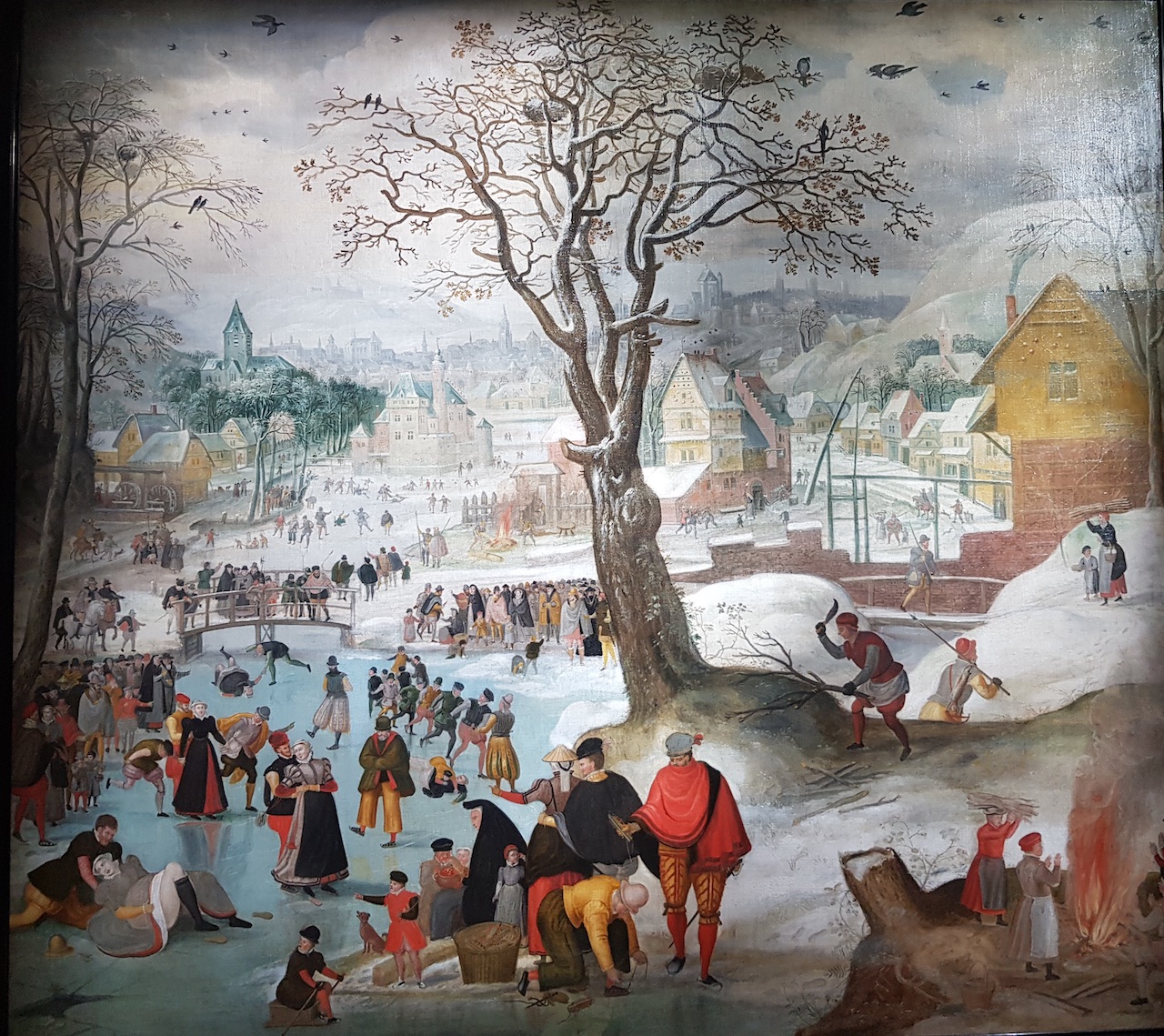
Lo ha capito Atlas, il nipote diciannovenne della gallerista Florence de Voldère, che accompagnerà a New York il grande Paesaggio innevato di Abel Grimmer e bottega (testimonianza della volontà di aggirare la censura del tempo di Carlo V), per presentarlo ad un pubblico giovane, ospite, nonostante l’ appiattimento e il dominio esercitato dalle estetiche e dai brand industriali globali negli USA come in Europa e nel resto del mondo.
È purtroppo vero che i tempi di attenzione sono sempre più brevi, che le tecnologie digitali condizionano la capacità di concentrazione di tanti e che, complici mode, tendenze e design massificato, l’arte che riflette il nuovo pare garantire la rappresentazione di uno status sociale più elevato, comprensibile ed aggiornato.
Ma sono vari i segni di risveglio d’interesse e i feedback raccolti anche dalla stampa internazionale e nazionale. Carlo Milano, italiano di Londra con la Callisto Fine Arts è sorpreso dai giovani collezionisti: “Vedo trentenni che, forse per ribellione all’egemonia dell’arte contemporanea, cominciano a interessarsi all’ arte del passato. Il loro approccio è completamente diverso”. L’ antiquario-bibliofilo Alexandre Pingel ha detto al FT:
“I clienti più giovani danno priorità all’aspetto visivo e allineano i pezzi ai loro valori personali”.
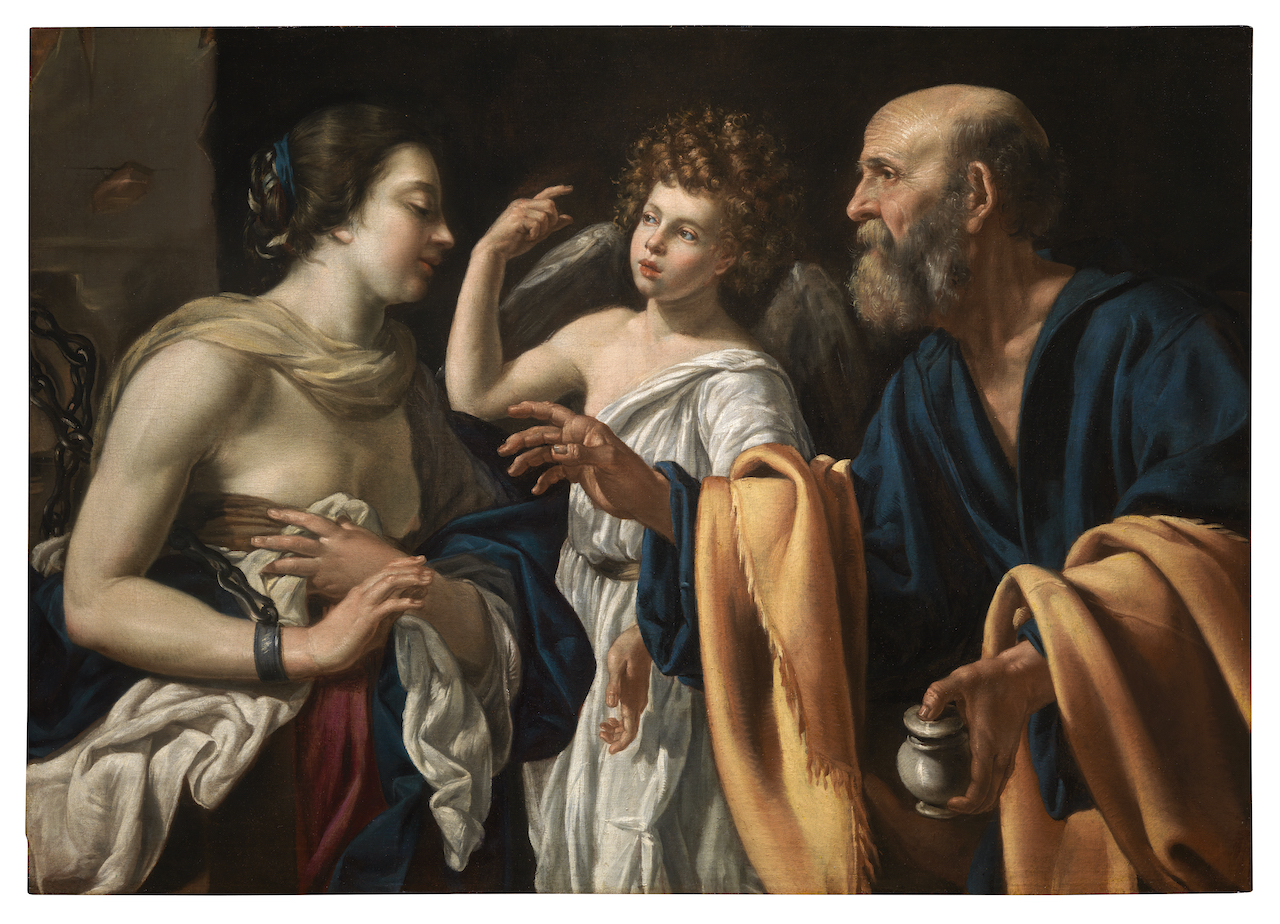
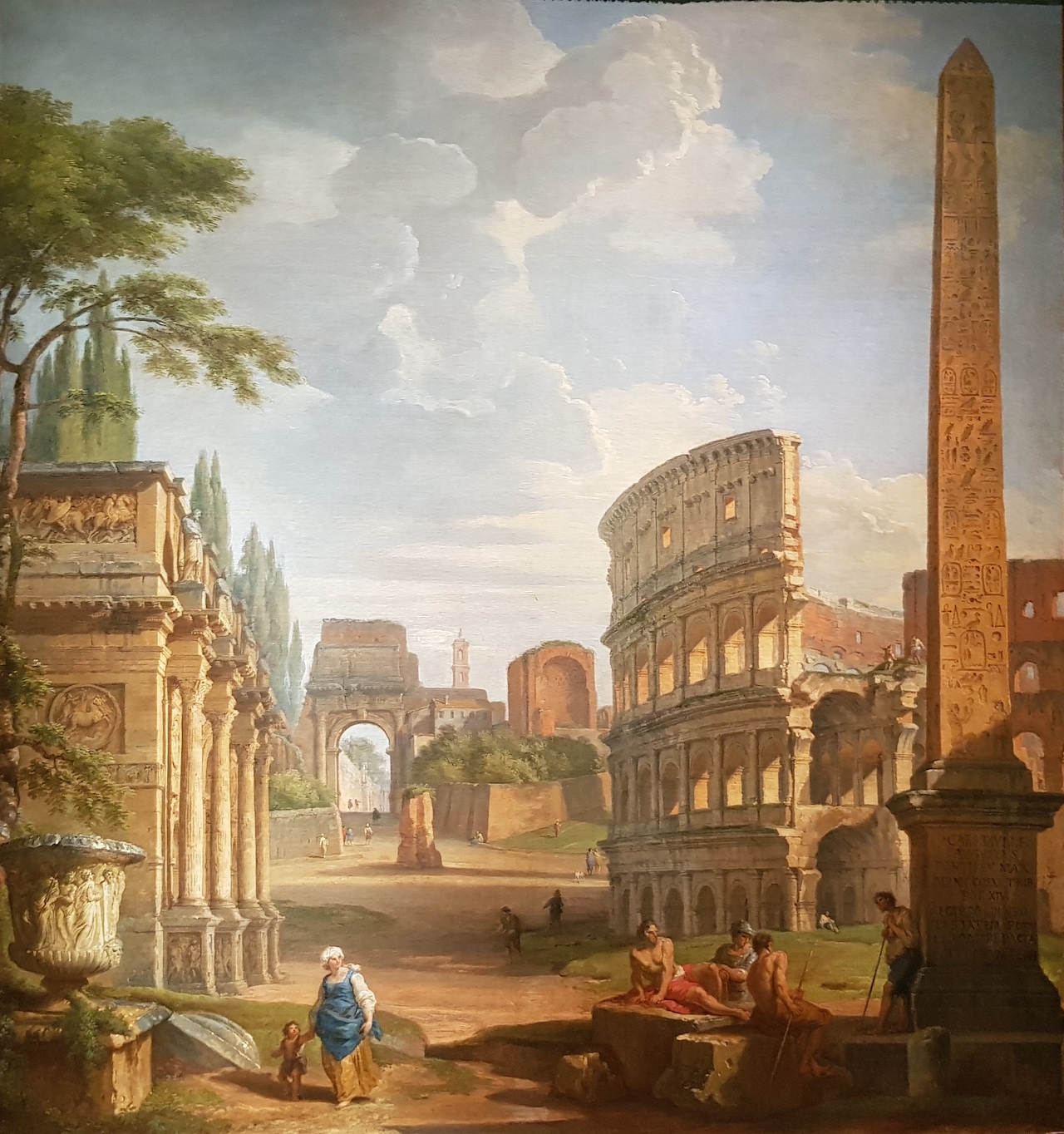
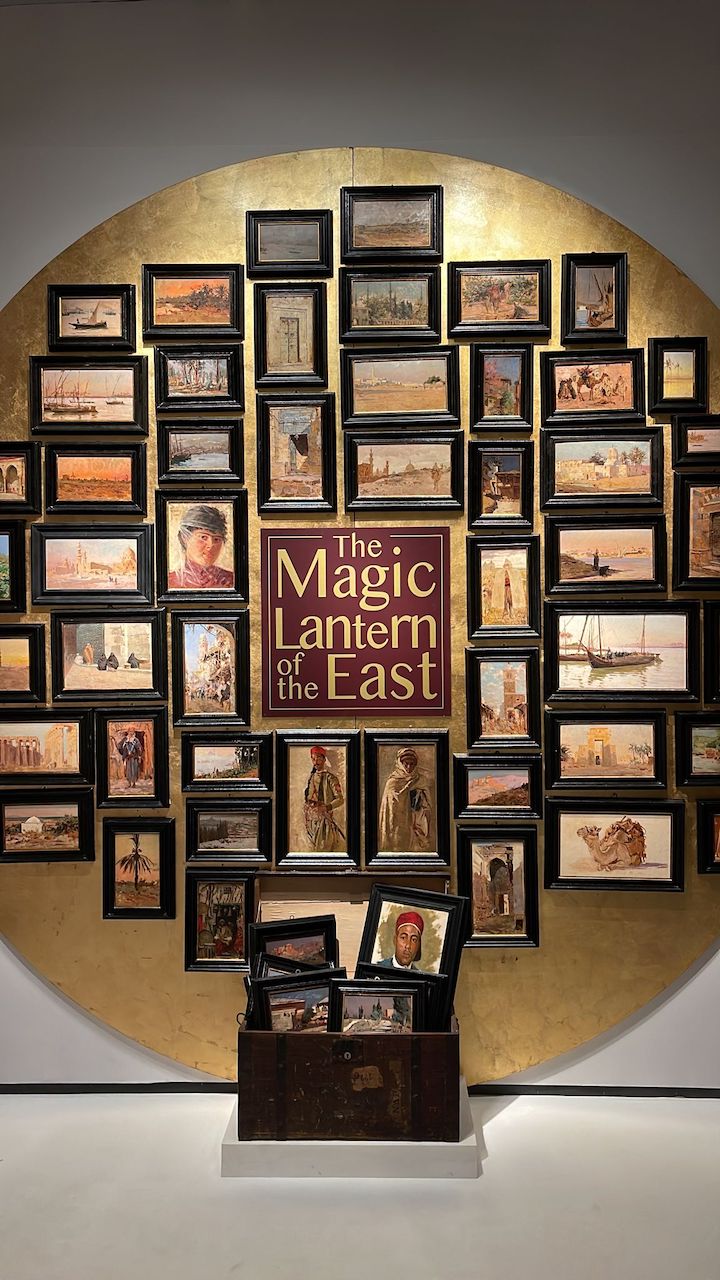
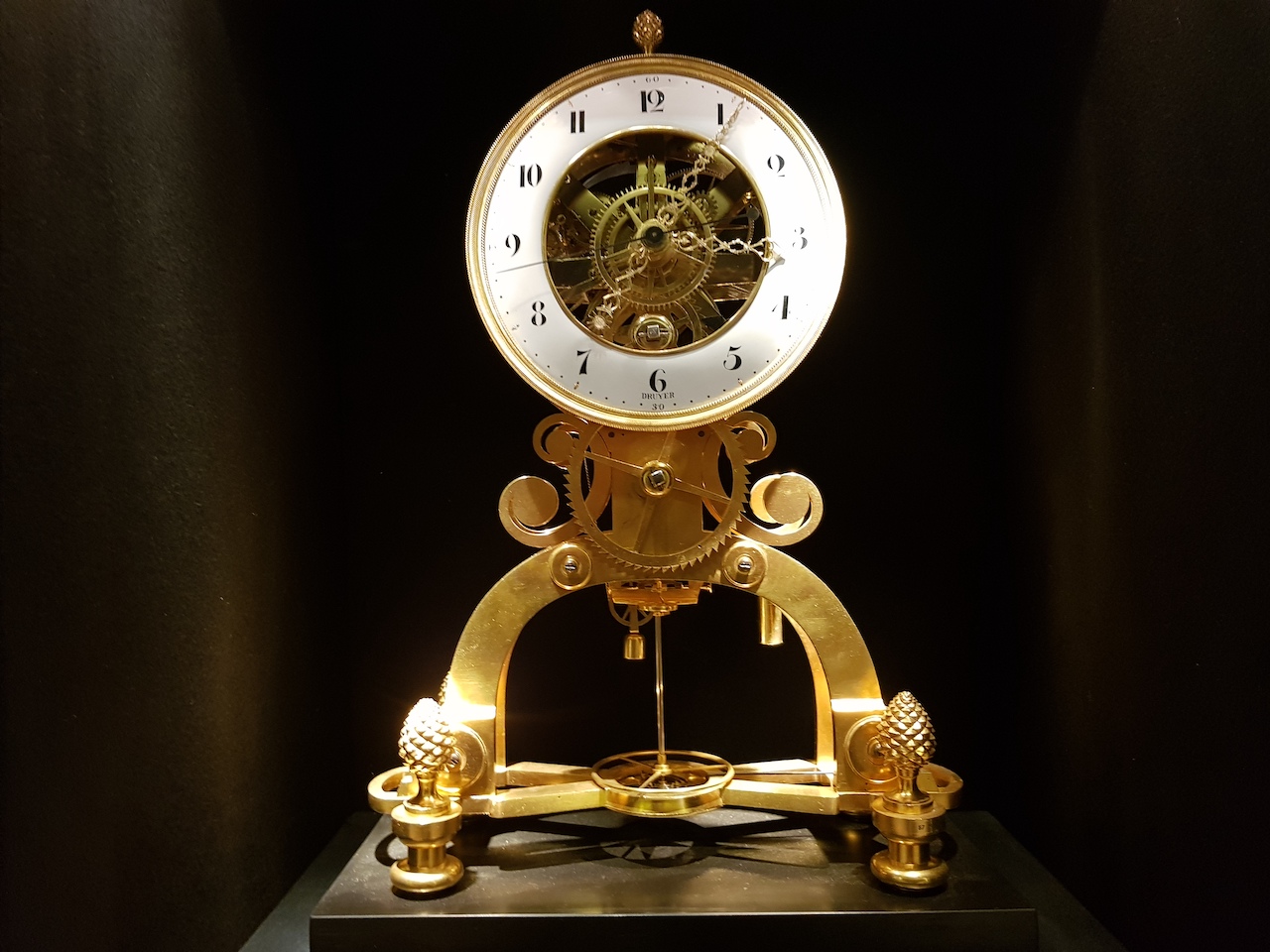
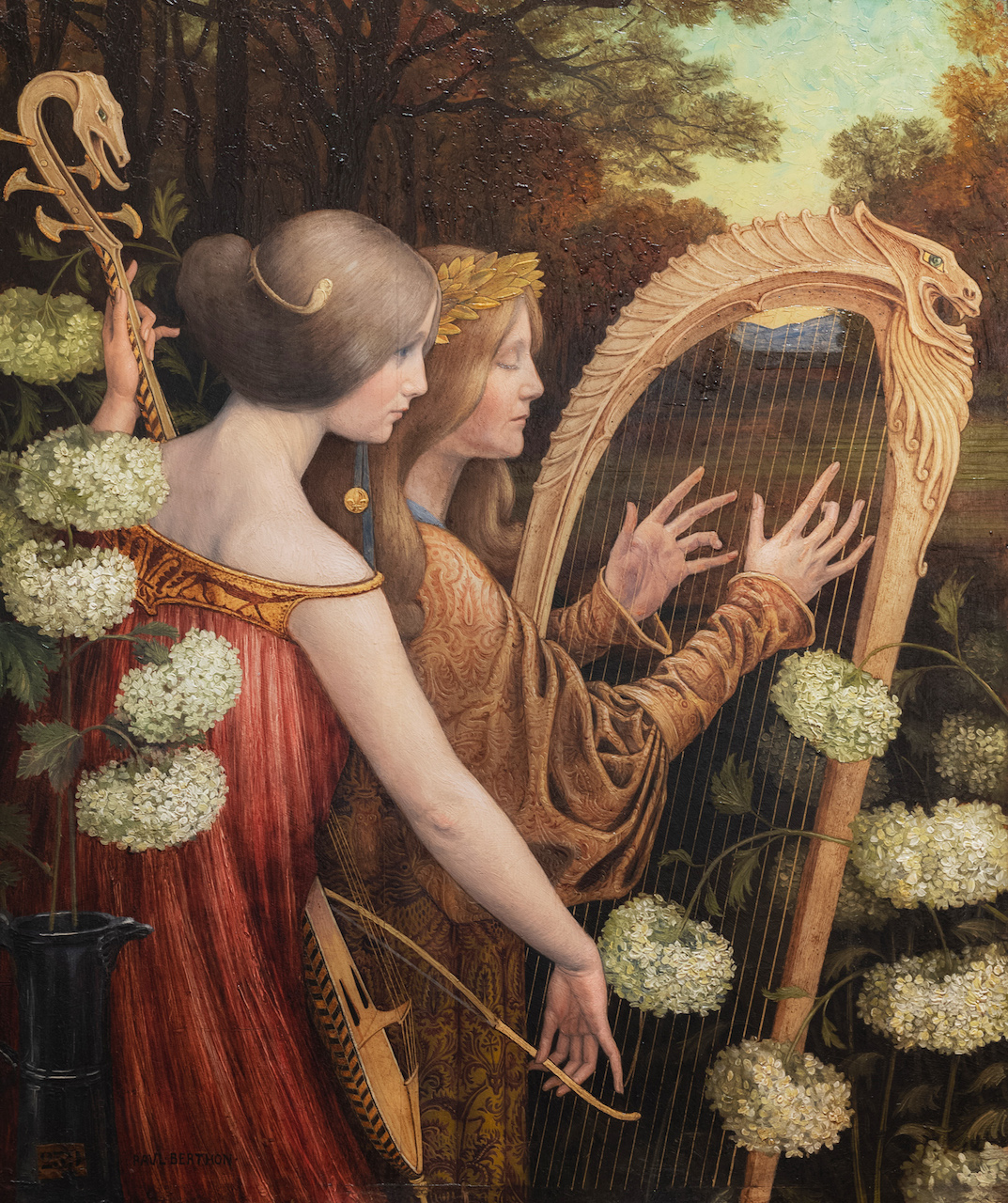
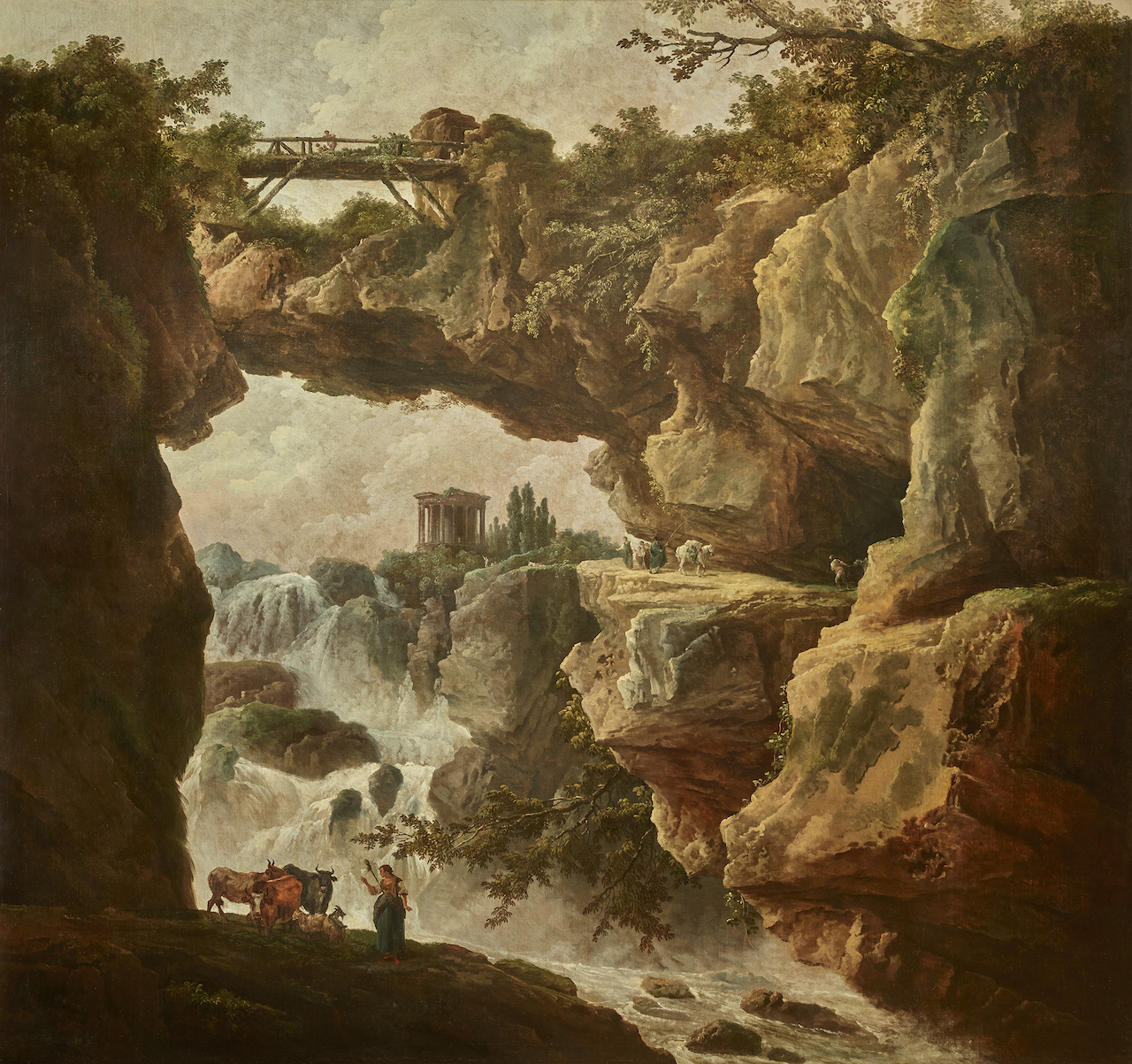
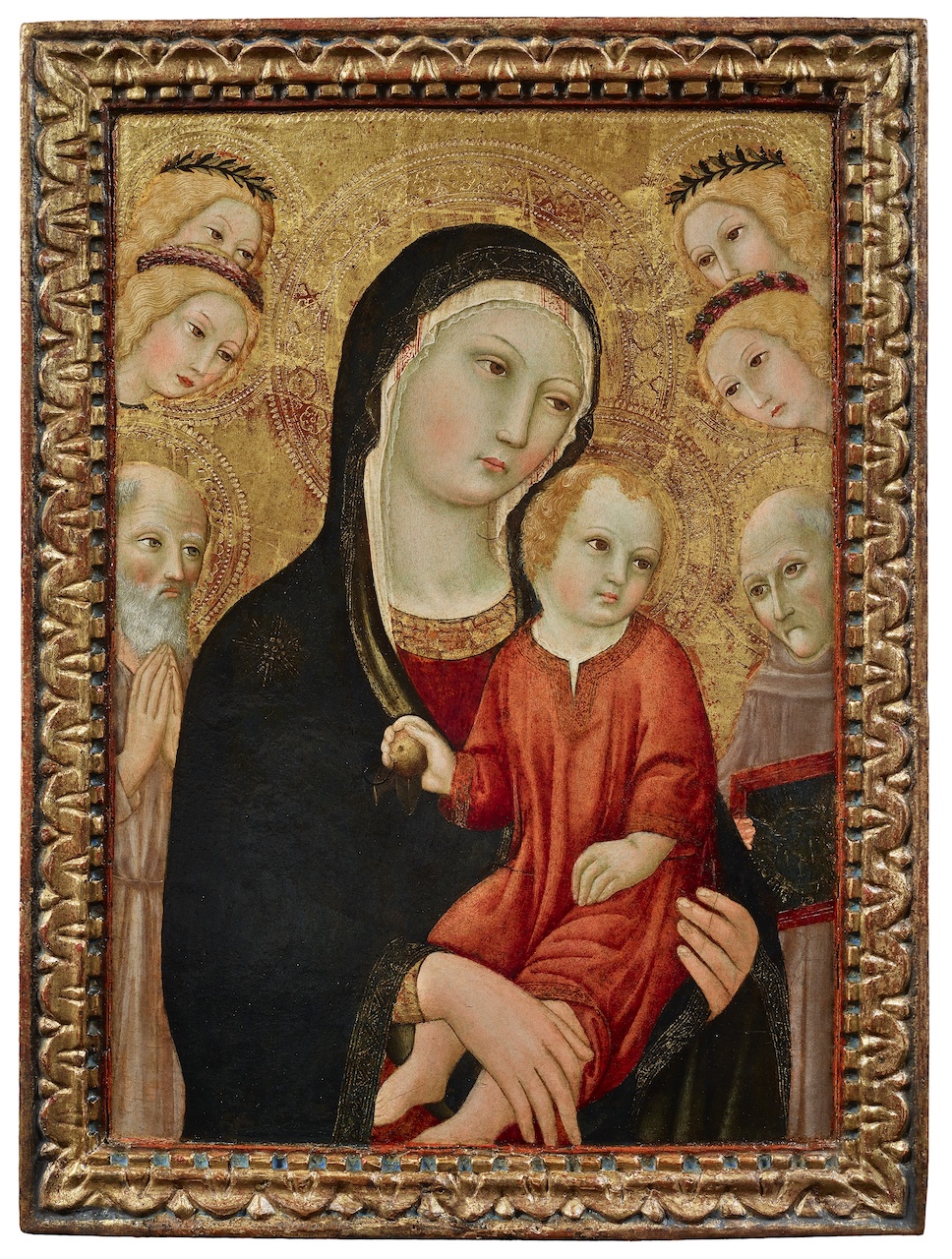
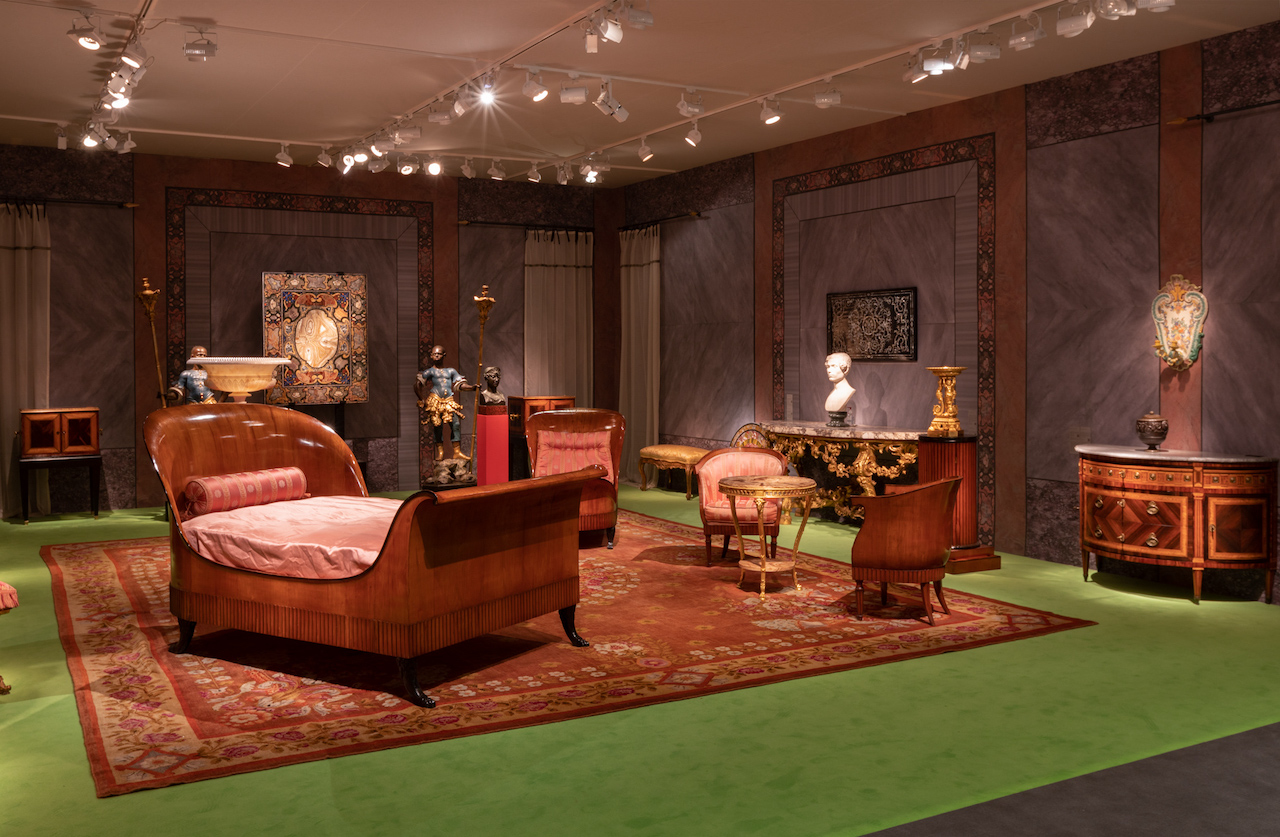
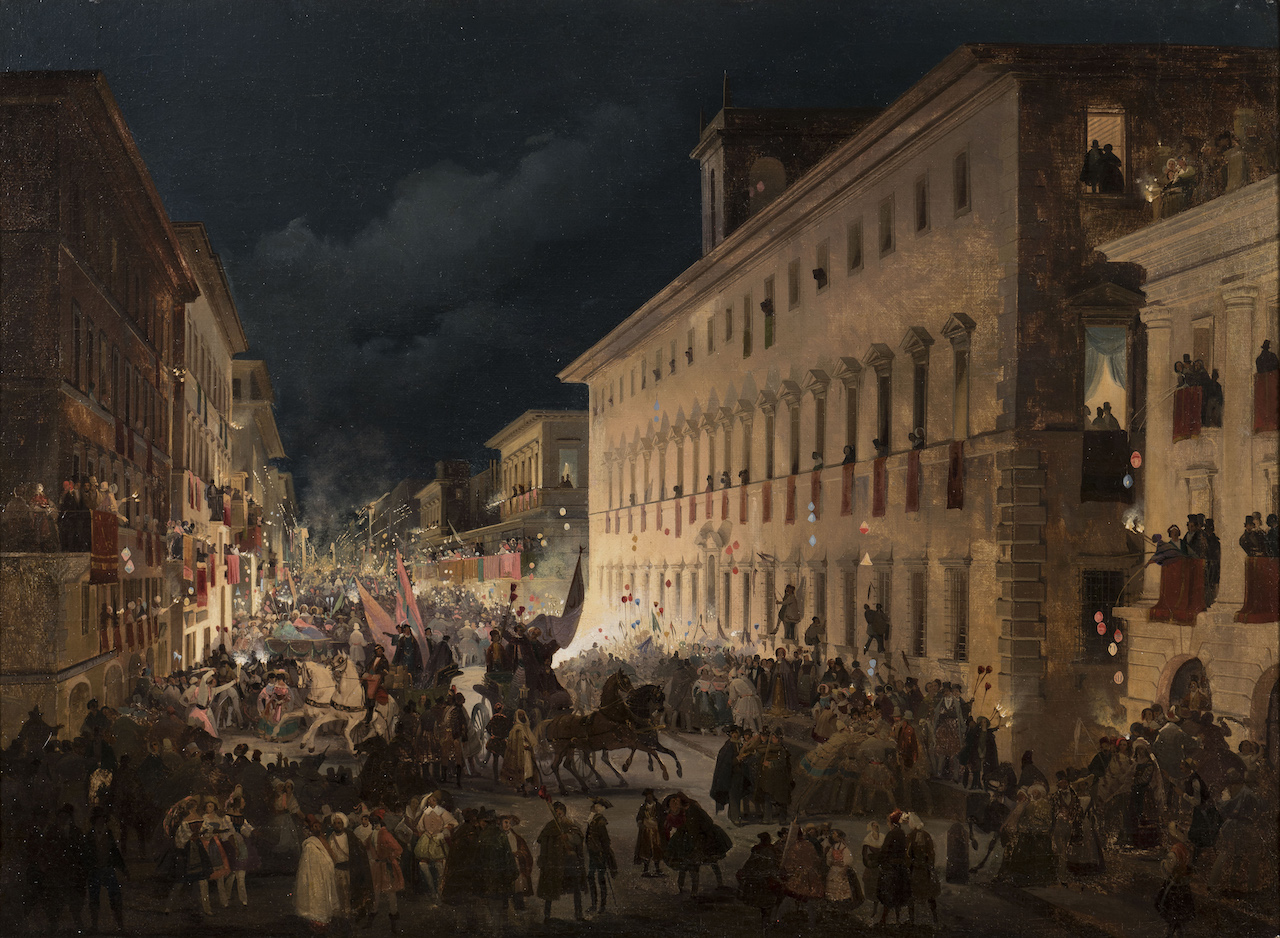
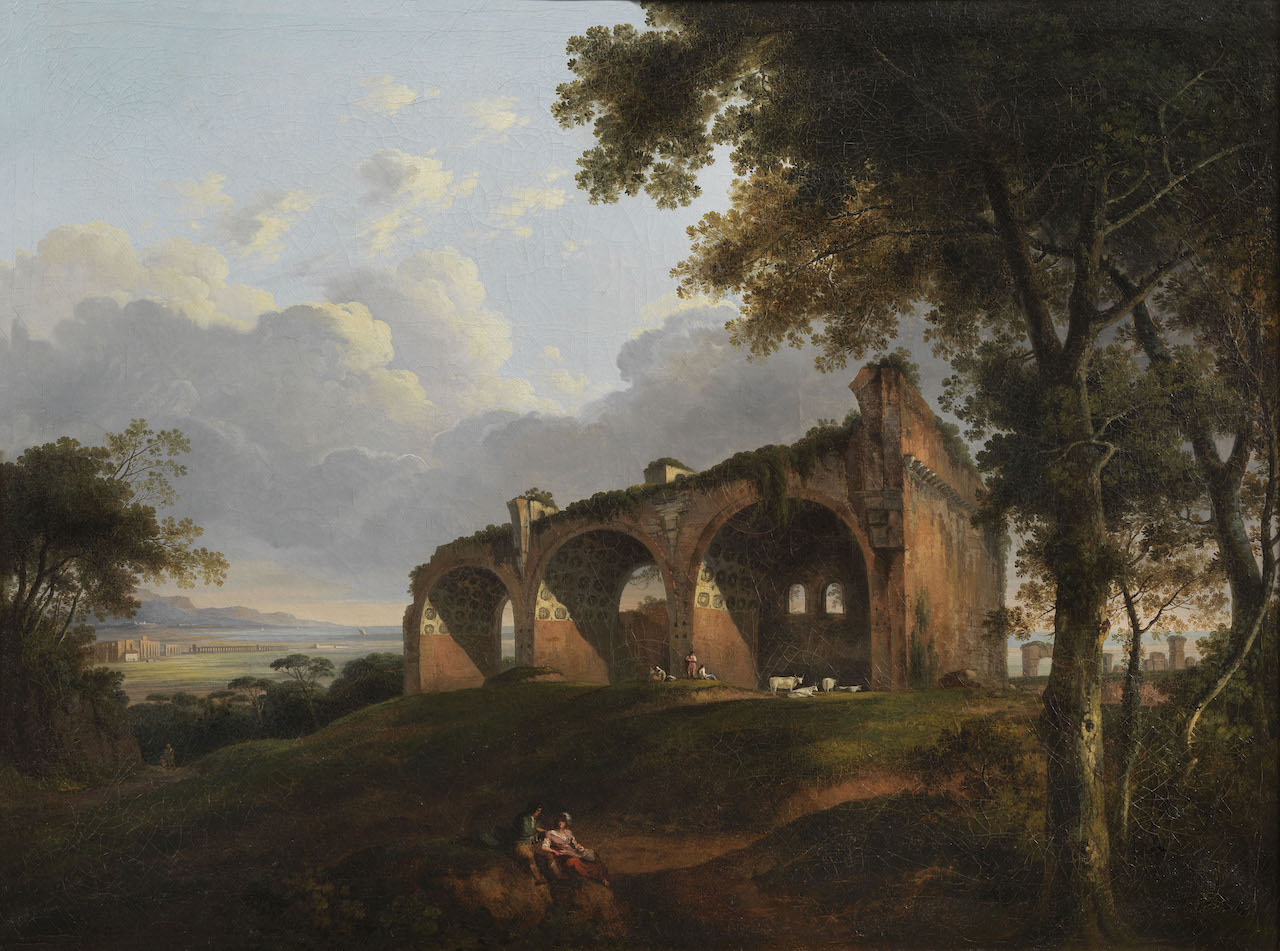
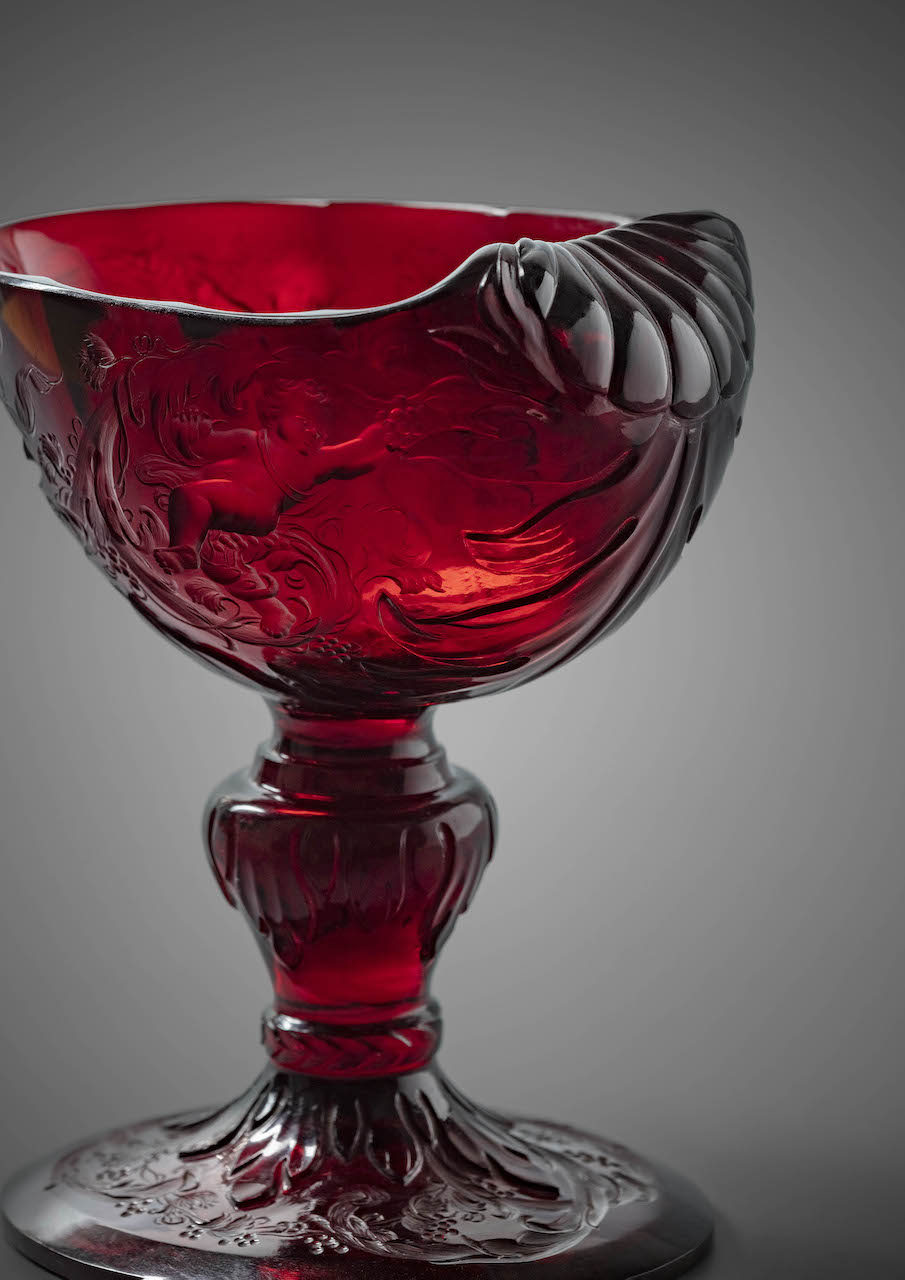
Stiamo forse scoprendo che ciò avviene per ripercorrere un filo e ritrovare qualcosa di tangibile della storia del mondo. Per sentire raccontare, con l’aiuto di esperti, storie sul passato e sul presente. E su questa percezione la nostra photogallery privilegia il paesaggio urbano e le marine abitate da persone e attività con storie ricche di dettagli e densità emozionale, dietro cui c’ è un alto valore aggiunto narrativo, oltre che tecnico ed artistico.
In generale, comunque, a Maastricht la ripartenza appare buona grazie ad un attivo mix di collezionisti e curatori museali. Molti dei contemporaneisti sono felici di essere presenti, anche quando non si aspettano risultati scoppiettanti come ad ArtBasel.
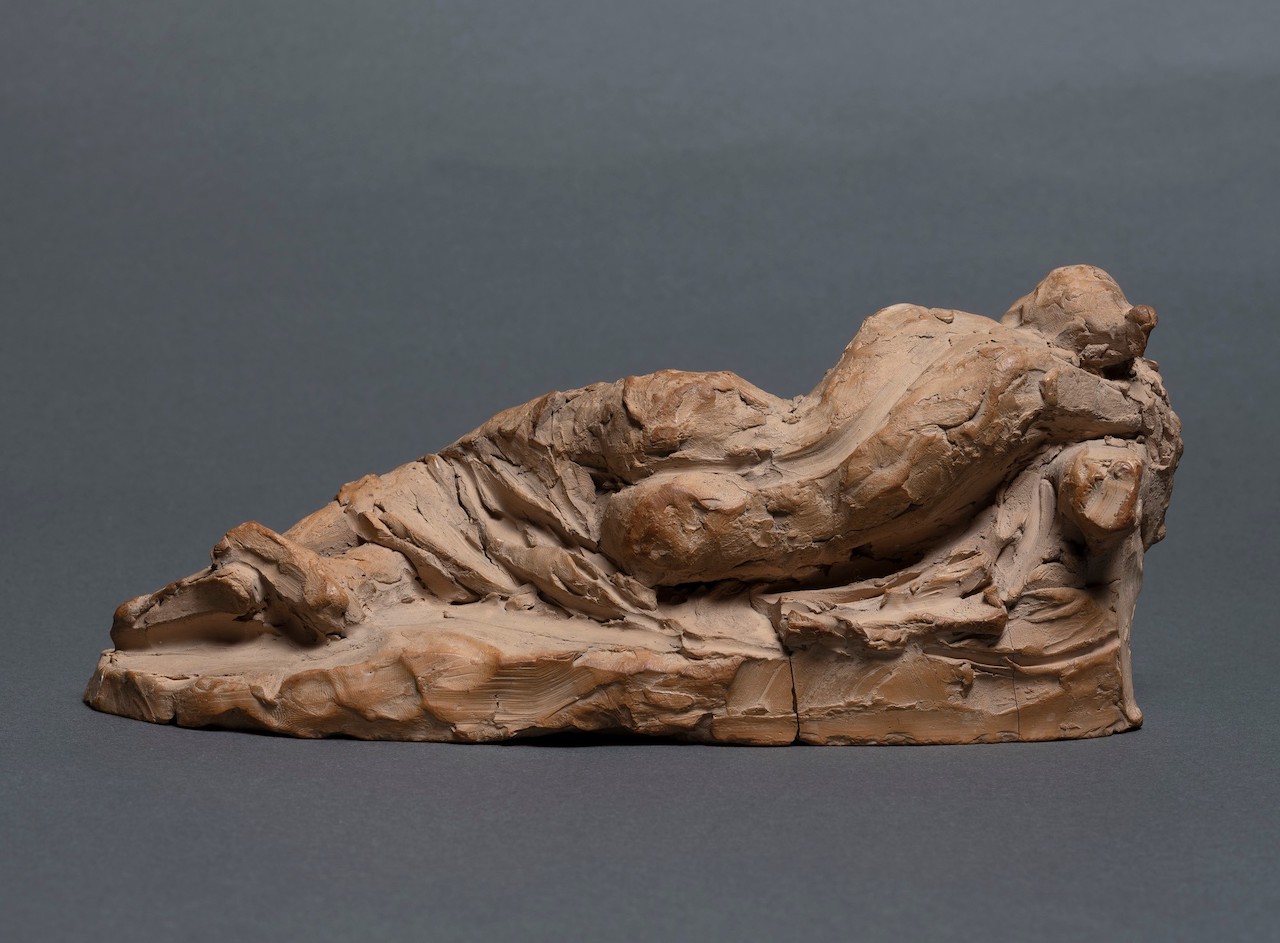
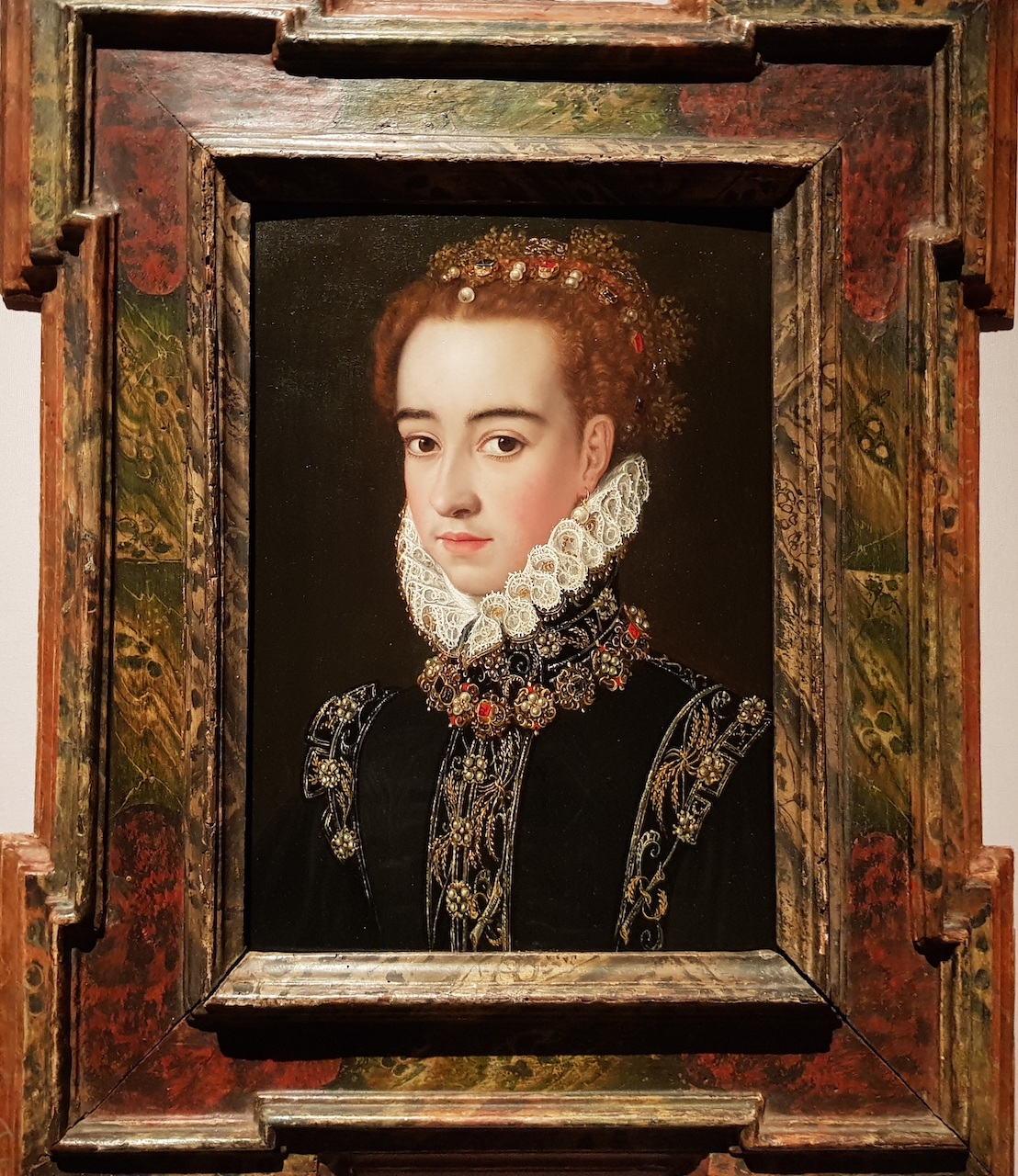
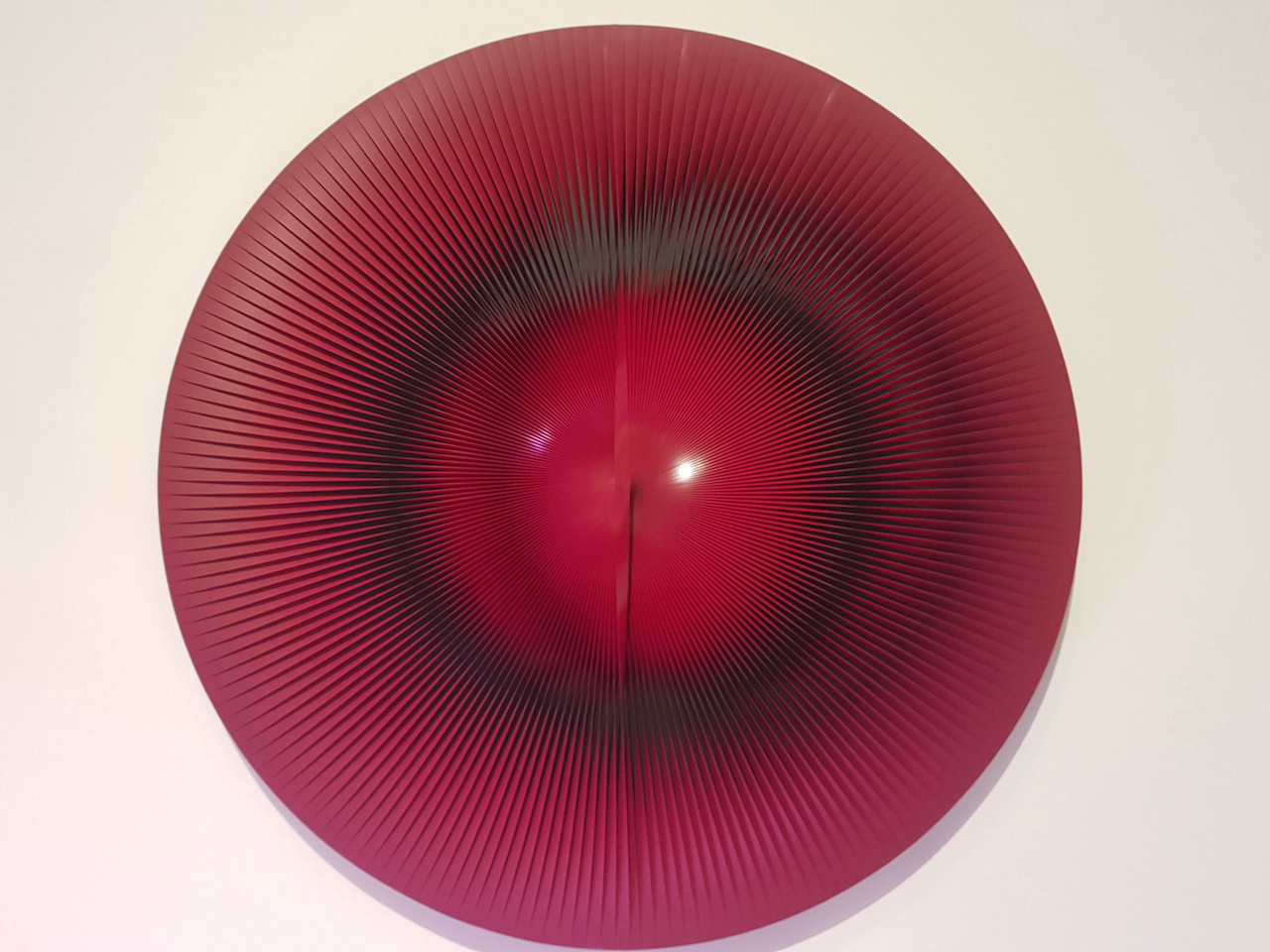
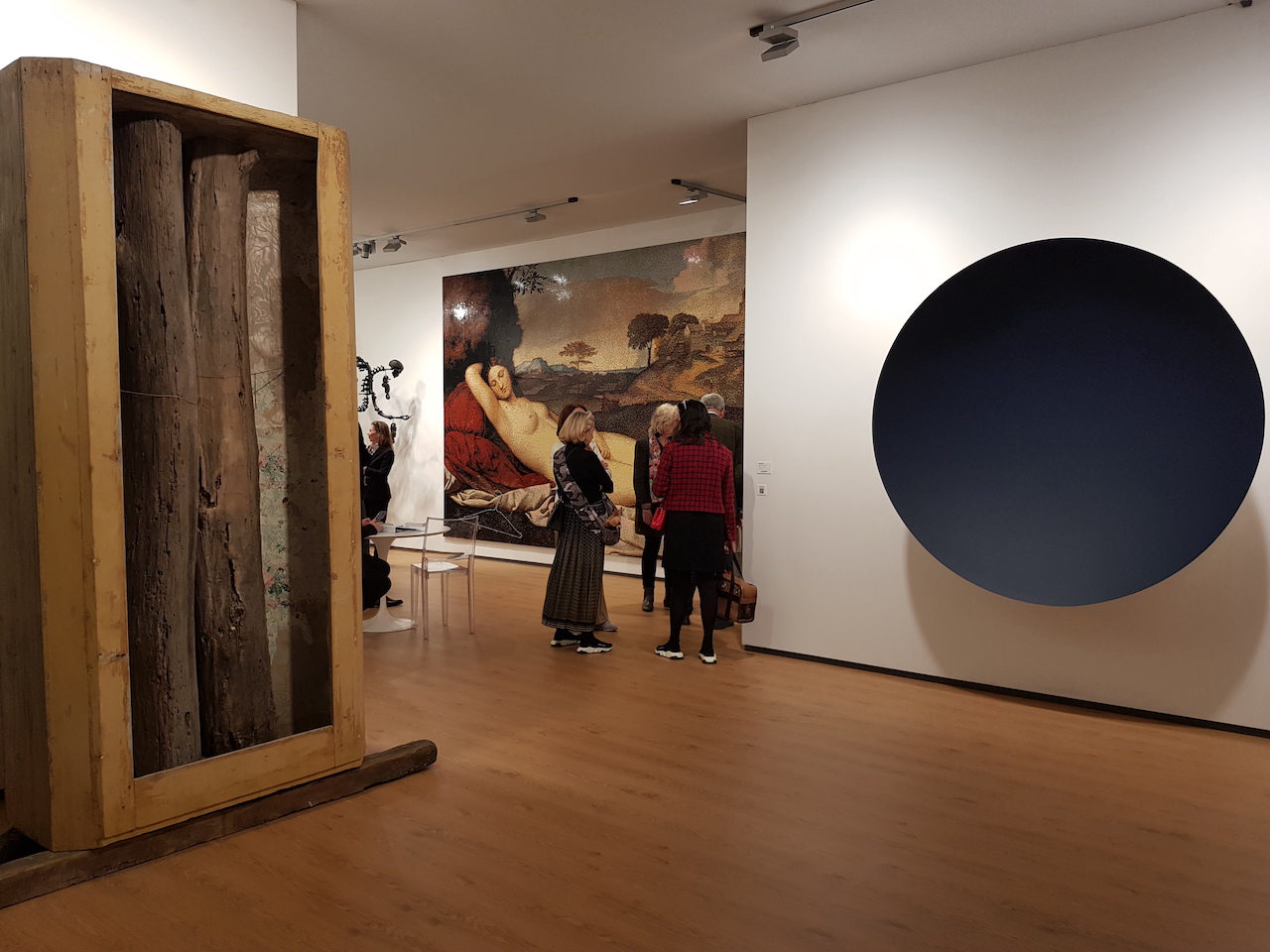


English version
At TEFAF to tour the world. Or rather, to be told the history of the world (through art).
Collecting and generational change
At the TEFAF in Maastricht, (https://www.tefaf.com/) there is no lack of generational turnover among dealers, and every year there are insiders, artists, and new exhibitors in the 30-40 age bracket. When including the Showcase section (https://www.tefaf.com/fairs/tefaf-maastricht/showcase), two new Italian galleries (Berardi and Miriam Di Penta) have entered the show, attesting to the increase in peninsular participation in this event, now in its 36th edition.
It remains the international point of reference for collecting Old Masters and Antiques, i.e. the most fascinating showcase for all types of works and objects of art, both ancient and modern, from the masterpieces of 18th century Venetian Vedutisti to the Flemish-Dutch still life of the 17th century, from the European masters of the 19th and 20th centuries (from Degas to Dubuffet) to antique armour and jewellery, from glass and rock crystal to porcelain and sculptures of all eras.
With important attendances from the Contemporary World. For Italy, the galleries Cardi, Continua, Mazzoleni, Tornabuoni, displaying notable works from Agostino Bonalumi to Lucio Fontana and now also Anish Kapoor, Basquiat and many others, are at home. The extreme variety and versatility of the artistic showcase makes TEFAF a truly unique world tour.
But what happens with the latent malaise about the long-term sustainability of ancient art, once the typical figure of the 50 to 80-year-old collector, who has dominated the event so far, ends up no longer being as present anymore? Already manifested by the declining fortunes of certain genres compared to the past and the closure of important historical galleries, this problem could become even more acute in the next 10 years due to demographic processes, concentration of wealth and dispersion of interest in the relevant generations.
Or are there individuals who can invest in this sector but do not do so as much as their predecessors, because they lack precisely the same behavioural model?
Trends in the Context of the Measurable Art Market
Of the 7,000 years of history (of the arts), what do newcomers choose? What intrigues young people, buyers and non-buyers, most about past, modern and contemporary cultures? Do they come to TEFAF and with what curiosity? There are those who seem to have intercepted a new generation of young collectors oriented towards Old Masters. One of the transmigrated Italians, Davide Trevisani of the Maurizio Nobile Fine Art gallery in Paris, gave a convincing feedback to Financial Time: ‘These are entrepreneurs between 30 and 35 years old, coming from [technology] start-ups… a very interesting niche of new potential customers with a spending capacity of up to 80,000-100,000 euros per purchase.
Are these true leaders of new trends, even eclectic ones, or mirrors of old (and understandable) expectations? Wouldn’t younger buyers therefore mainly want works by living artists with a strong presence on Instagram (as Scott Reyburn wrote in the New York Times on 16.1.2023)?
After the already seasoned Paul Smeets, in place of his father Rob, among the new entries with a ‘cheap’ stand at €8,500 is this year Ambrose Naumann, 34, son of another of the well-known founders, Otto Naumann, who selects lesser-known but high-quality artists from the period 1850-1950. A cultural operation, before commercial, also well practised by the new Generation X of the Carlo Virgilio Gallery with Stefano Grandesso (Rome-London). “In general, younger people find a more intelligible language in the contemporary.” For Michele Casamonti (Tornabuoni Art), “In Italy it is the Modern” that is the key to approaching new audiences, in a world where in any case the Contemporary prevails in social and status communication.
The official market of European Old Masters (art up to 1800-1850), in 2021, totalled (for the majors Christie’s and Sotheby’s) €464 million, i.e. only 4% of total sales (post-war and Contemporary account for 45%) (https://www.artbasel.com/stories/the-art-basel-and-ubs-global-art-market-report-2022?lang=en). But those with their eyes wide open can see very well the appeal exerted even on young people by record exhibitions such as the one currently underway in Amsterdam on Vermeer, without forgetting the many record-breaking monographic exhibitions for the centenaries of Leonardo da Vinci (London, Paris) or Caravaggio (Rome and other venues) etc.
Yet, it is dismaying that yet another Contemporary record, that of Jean-Michel Basquiat in November 2022 for a 1982 “Sugar Ray Robinson” at €32.7m (Christie’s, New York), is superimposable or comparable to the total sales of Sotheby’s and Christie’s Evening Sales of Antiques (London, December 2022) which amounted to approximately €37m and €15m. Not to mention Warhol’s Marilyn Monroe silkscreen print (1964, Sotheby’s, May 2022) at $195 million or Basquiat’s Skull at $110.5 million (Sotheby’s, 2017).
Last year, Sotheby’s, Christie’s and Phillips offered works by a record number of artists (670) from the Next Generation (under 45 years old), grossing over USD 300 million (ArtTactic data). Nevertheless, a numerical growth of online purchases of the new generation under 35 years of age for fine arts, vintage, antiques and design has been measured (see Saleroom and Live Auctioneers in Traversi-Tarissi, Tokenisation in Art. No thanks).
Antique art and stories to tell.
Will the widespread underestimation of ancient art, particularly of the ‘minors’, whom the French have long called ‘petits maitres’, both in painting and sculpture and the applied arts, encourage a wider recovery and re-absorption by the market?
Unlike 50-60 years ago, post-World War II generations and beyond, first the Silent (74 years old and over) and then the Boomers (55-73 years old), the buying and selling of contemporary art has a much more speculative dimension than that of old art. Both among collectors and global gallerists, there is a rapid integration into Auctions Sales of talent recognised by the US-led international museum and exhibition system. As Tefaf’s head of exhibitions, Will Korner, reminded the FT: “The vast majority of young people who open galleries or businesses sell contemporary art”.
So why do the Financial Times and TAN-The Art Newspaper signal that contemporary gallery Saatchi Yates is launching an Old Masters division?
During the pandemic period, online buying has attracted younger collectors, often unknown to galleries and fairs. For the top end of the art market, Claire Mc Andrews’ Art Economics found that many younger billionaires have emerged from growth sectors such as technology, e-commerce, gambling, cryptocurrency, gaming and others and are active in the art and luxury markets. In addition to their own fortunes, an increasing number of millennials and younger HNWIs are also inheriting significant wealth in art, from an affluent generation of Boomers and elderly parents, active in their previous 50s, some of which may return to the market due to changes in taste or inheritance events.
And, surprise, among the currently most active age groups, those under 54, it is Generation Z (under 24) who devote the highest percentage (30%) of their wealth (when there is enough) to art (27% Millennials, aged 24-38, and 24% Gen X, aged 39-54).
This year, the Frick Museum brought 15 patrons under 40 years of age to the Maastricht fair to encourage them to collect. There is a need to tell the stories that the arts hand down, to dilute sometimes the density of ancient messages, to help them be perceived in such a way that the feeling that they are terribly boring is dropped.
Atlas, the 19-year-old nephew of gallery owner Florence de Voldère, has understood this, accompanying the large Snowy Landscape by Abel Grimmer and workshop to New York, testimony of the desire to circumvent the authoritarian measures of Charles V’s time. To present it to a young audience, in a design space, despite the flattening and domination exercised by global aesthetics and industrial brands in the USA as in Europe and the rest of the world.
It is unfortunately true that attention spans are becoming increasingly shorter, that digital technologies affect the ability of many to concentrate, and that, with the help of fashions, trends and standardised design, art that reflects the new seems to guarantee the representation of a higher, more understandable and up-to-date social status.
But there are various signs of a reawakening of interest and feedback also from the international and national press.
Carlo Milano, an Italian from London with Callisto Fine Arts is surprised by young collectors: “I see 30-year-olds who, perhaps out of rebellion against the hegemony of contemporary art, are starting to take an interest in the art of the past. Their approach is completely different”. Antiquarian-bibliophile Alexandre Pingel told the FT: “Younger customers prioritise the visual aspect and align the pieces to their personal values”.
We are perhaps discovering that this happens in order to retrace a thread and find something tangible from world history. To hear, with the help of experts, stories about the past and the present. And on this perception, our photogallery favours urban landscapes and seascapes ‘inhabited’ by people and activities with stories rich in detail and emotional density, behind which there is a high narrative added value, as well as technical and artistic.
In general, however, the restart in Maastricht looks good thanks to an active mix of collectors and museum curators. Many of the contemporaries are happy to be present, even when they do not expect such a roaring result as at ArtBasel.

Laureata e specializzata in storia dell’arte all’Università “La Sapienza” di Roma, ha svolto, tra 1989 e 2010, attività di studio, ricerca e didattica universitaria, come borsista, ricercatore e docente con il sostegno o presso i seguenti istituti, enti di ricerca e università: Accademia di San Luca, Comunità Francese del Belgio, CNR, ENEA, MIUR-Ministero della Ricerca, E.U-Unione Europea, Università Libera di Bruxelles, Università di Napoli-S.O Benincasa, Università degli Studi di Chieti-Università Telematica Leonardo da Vinci. Dal 2010 è CTU-Consulente Tecnico ed Esperto del Tribunale Civile e Penale di Roma. È autrice di articoli divulgativi e/o di approfondimento per vari giornali/ rubriche di settore e docente della 24Ore Business School.